Diamond – the royal stone
The diamond is one of the most valuable gemstones in the world, standing out among every gemstone for its unique brilliance and quality.
Its sparkle, clarity, and durability make it unparalleled in both jewelry and investment.
It is no coincidence that the diamond is considered a symbol of eternal love.
The History and Significance of Diamonds
The diamond is a gemstone with a history spanning thousands of years. Ancient civilizations, such as Egypt, China, and India, valued diamonds not only for their beauty but also for their symbolic meaning. Diamonds were considered symbols of love, trust, and exclusivity, and their rarity and uniqueness fascinated royal courts and nobles. Every diamond is unique – its value depends on many factors: color, clarity, shape, and weight. Thus, diamonds are valued not only as jewelry but also as a mark of exceptional quality, longevity, and luxury. Today, the diamond is inseparable from life’s most important moments, and its symbolic significance remains as strong as it was thousands of years ago.
What is a Diamond Essentially
About the diamond: in this section, we will discuss what a diamond is, its origin, and its main properties.
A diamond is a pure carbon mineral formed under immense pressure and temperature deep within the Earth’s mantle. Due to this structure, the diamond is the hardest mineral created by nature. It remains flawless even after millions of years.
Natural Diamonds – a Miracle of Nature
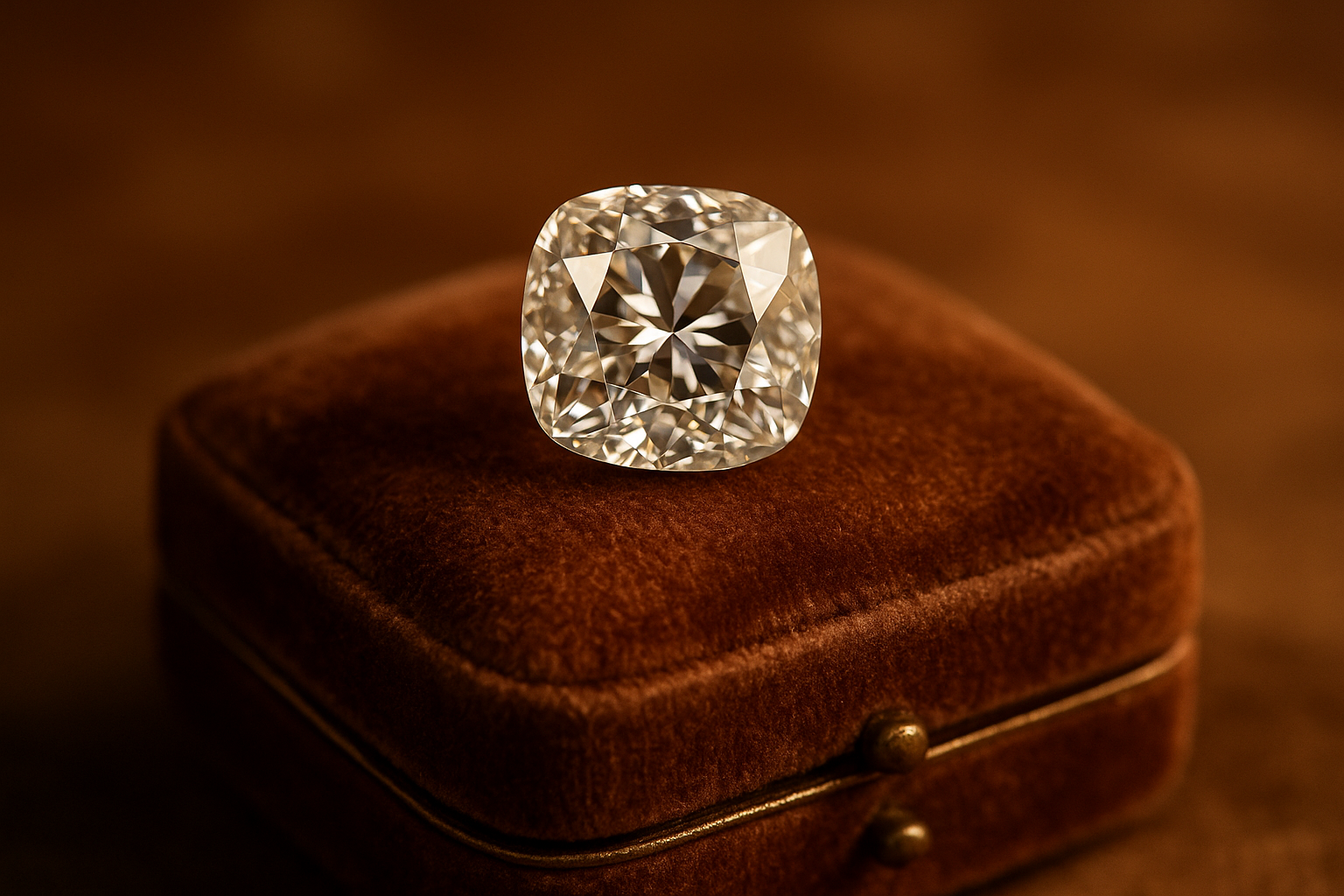
Natural diamonds are found in mines in Africa, Canada, Russia, or Australia.
Every natural diamond is unique because nature does not create identical crystals.
The value of such a stone arises from its rarity and history, which is why the price of a diamond always remains high.
Lab-Grown Diamonds – an Achievement of Science
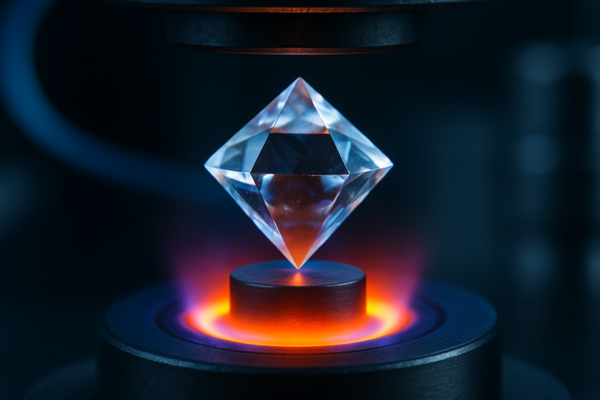
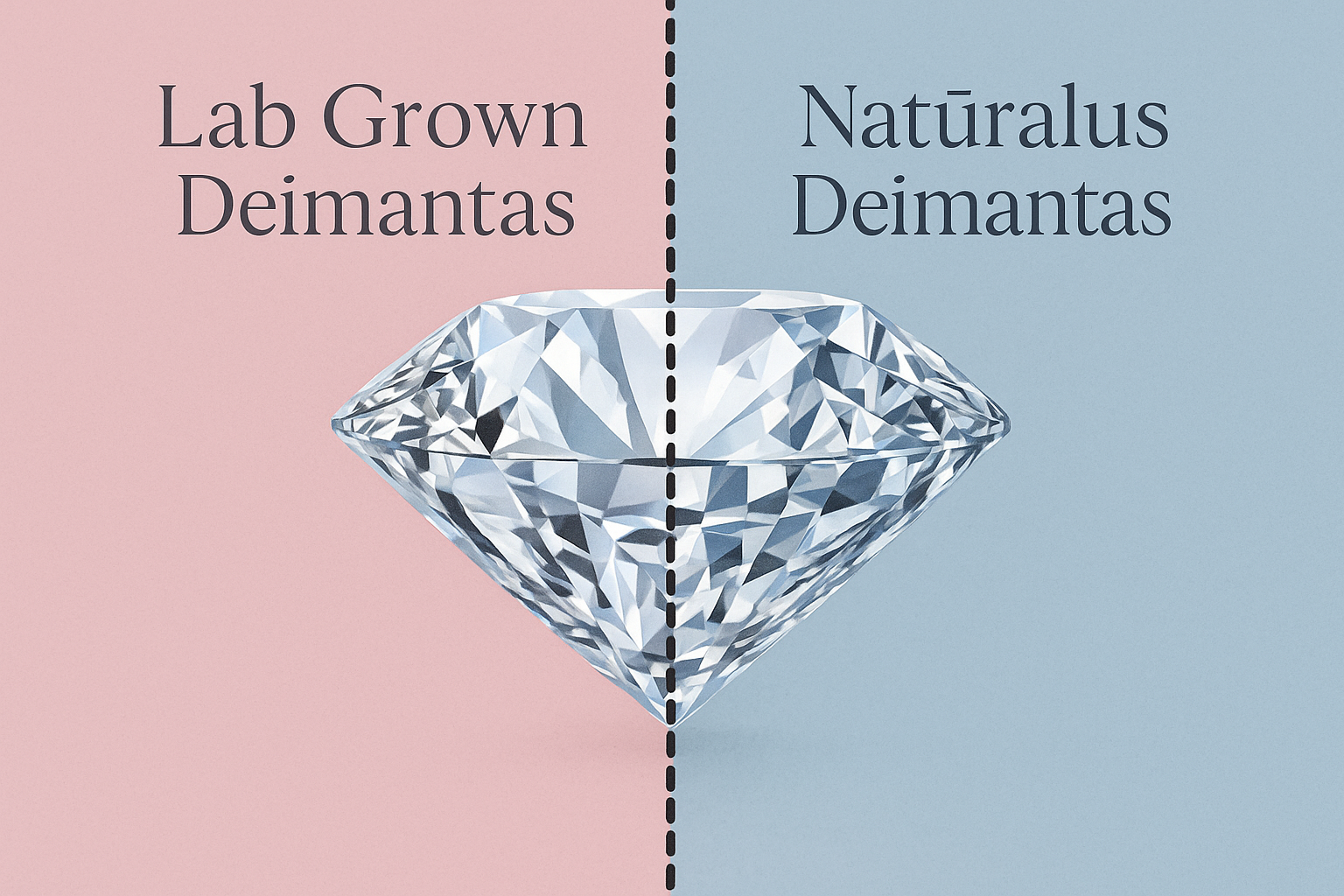
Lab-grown diamonds, also known as lab grown diamonds, are grown in laboratories by replicating natural processes.
They are identical to natural diamonds in terms of chemical composition, clarity, and brilliance.
Only their origin differs – one is extracted, the other is grown.
Artificial Diamond – What Is It?
An artificial diamond is often confused with a lab-grown diamond, but these stones are not the same.
An artificial diamond is a synthetic stone that does not have the same carbon crystalline structure as a natural diamond.
Such stones are used in technology, but not in jewelry, where an authentic diamond’s appearance and properties are important.
Brilliant or Diamond – What’s the Difference?
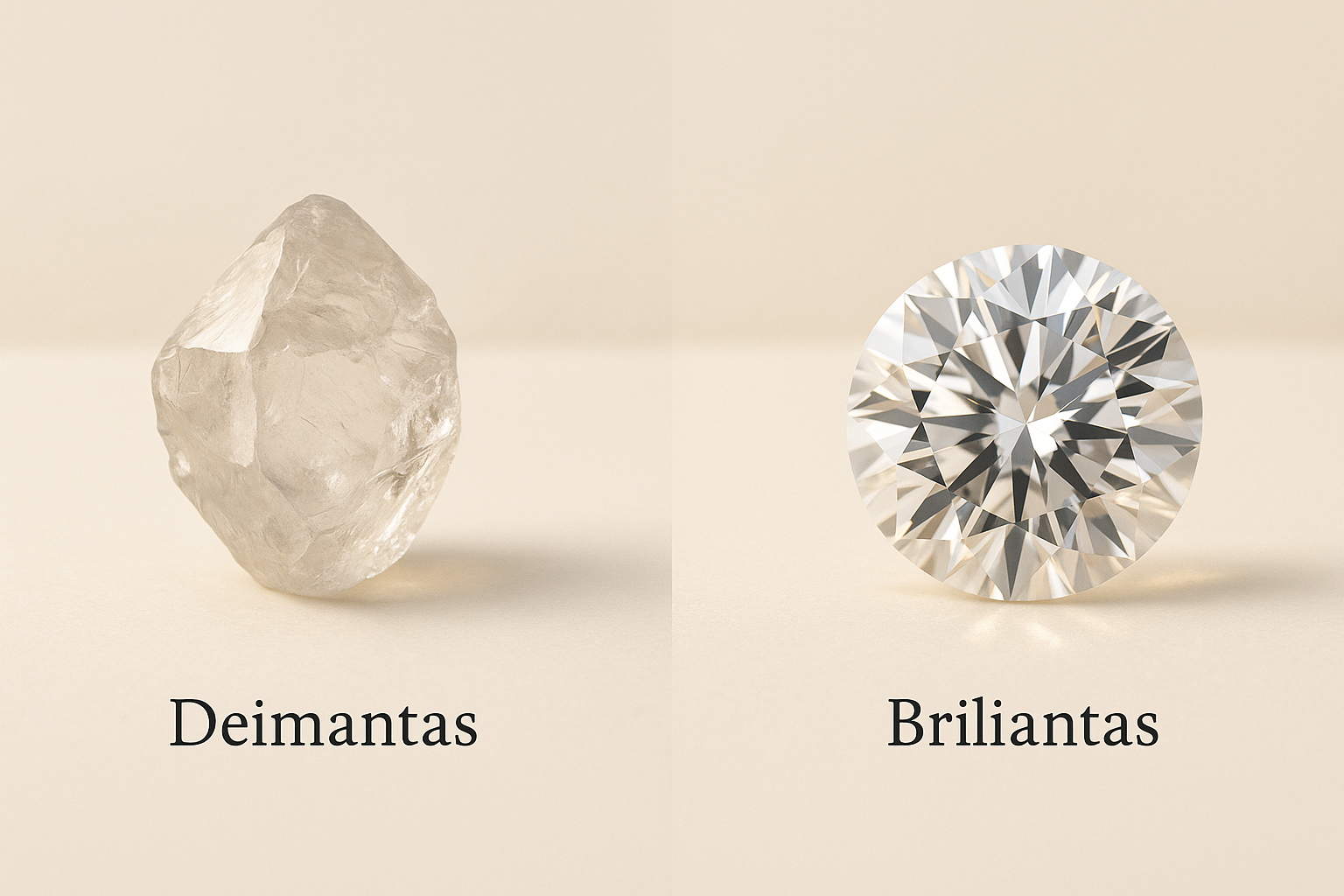
The question “brilliant or diamond?” often arises.
A brilliant is a round-shaped diamond, called a brilliant because of its specific cut, featuring 57–58 facets, designed to maximize light reflection.
The shape and cut of brilliants determine their exceptional sparkle. It is important to emphasize that every brilliant is a diamond, but not every diamond is a brilliant. Shape is an important part of a diamond’s aesthetic value.
How a Diamond Differs from a Brilliant
The difference lies in the cut.
A diamond is the raw material, while a brilliant is the final, polished stone.
It is the quality of the cut that determines how the diamond’s price depends on its brilliance.
Diamond Price and the Four Cs of Quality
A diamond’s price depends on the 4C parameters: Carat, Color, Clarity, Cut.
Each of these factors determines the final value.
A perfectly proportioned brilliant can cost several times more than a visually similar stone with a poorer cut.
1 Carat Diamond Price – What You Need to Know
The price of a 1 carat diamond varies greatly depending on quality.
For a natural stone, a 1 carat diamond price can range from 5,000 to 15,000 euros.
A 1 ct lab-grown diamond will cost 5–10 times less – from 500 to 800 euros.
For example, the prices of some diamond jewelry start from 100.00 euros.
Diamond Price – Why Does It Differ?
Diamond prices depend on origin and market demand.
Natural stones are valued for their rarity, while lab-grown ones are valued for their accessibility.
Therefore, it is important to choose a diamond based on personal values and needs, considering not only the price but also what matters most to you.
GIA Certificate – a Diamond’s Passport
Only certified diamonds have a GIA, IGI, or HRD certificate.
These documents specify the stone’s color, clarity, carats, and cut.
Without a certificate, a diamond’s value cannot be accurately assessed.
Lithuanian Assay Office – a Guarantee of Quality
All diamonds offered by Fashion Gold are checked at the Lithuanian Assay Office.
This ensures that every diamond meets legal and quality requirements.
This is important when buying a gemstone for both a gift and investment purposes.
Diamond as an Investment
A diamond is a stable store of wealth.
High-color (D–F) and high-clarity (IF–VS1) stones with a GIA certificate are particularly valued and are most recommended for investment.
Such a brilliant maintains or even increases its value over time.
Brilliant as a Gift
Brilliants have long been considered symbols of love and luxury.
Brilliant rings are given for engagements, anniversaries, or special occasions, often adorned with brilliants that stand out for their sparkle.
It is a gift that speaks without words.
Lab-Grown Diamond – a Sustainable Choice
Lab-grown diamonds are becoming increasingly popular due to sustainability.
Their production requires less energy and has no mining impact on the environment.
Such an artificial diamond is a choice for a conscious person.
You can also choose lab-grown diamonds if sustainability is important to you.
Moissanite and Other Alternative Stones
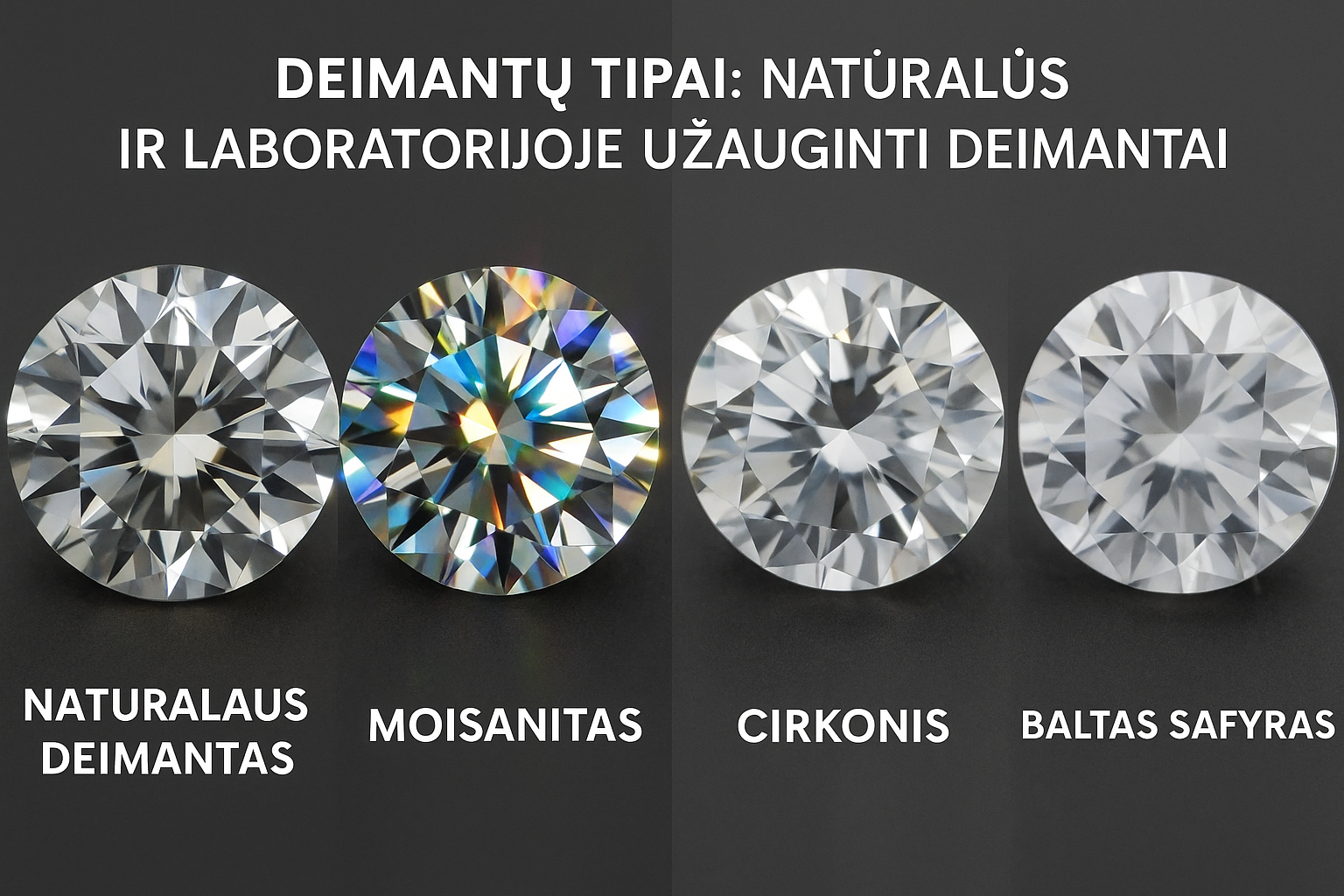
Moissanite is often confused with diamond due to its similar brilliance.
However, it is a separate gemstone with a different chemical composition.
The price of moissanite is lower, but it is not a real diamond.
Diamond Shapes and Sizes
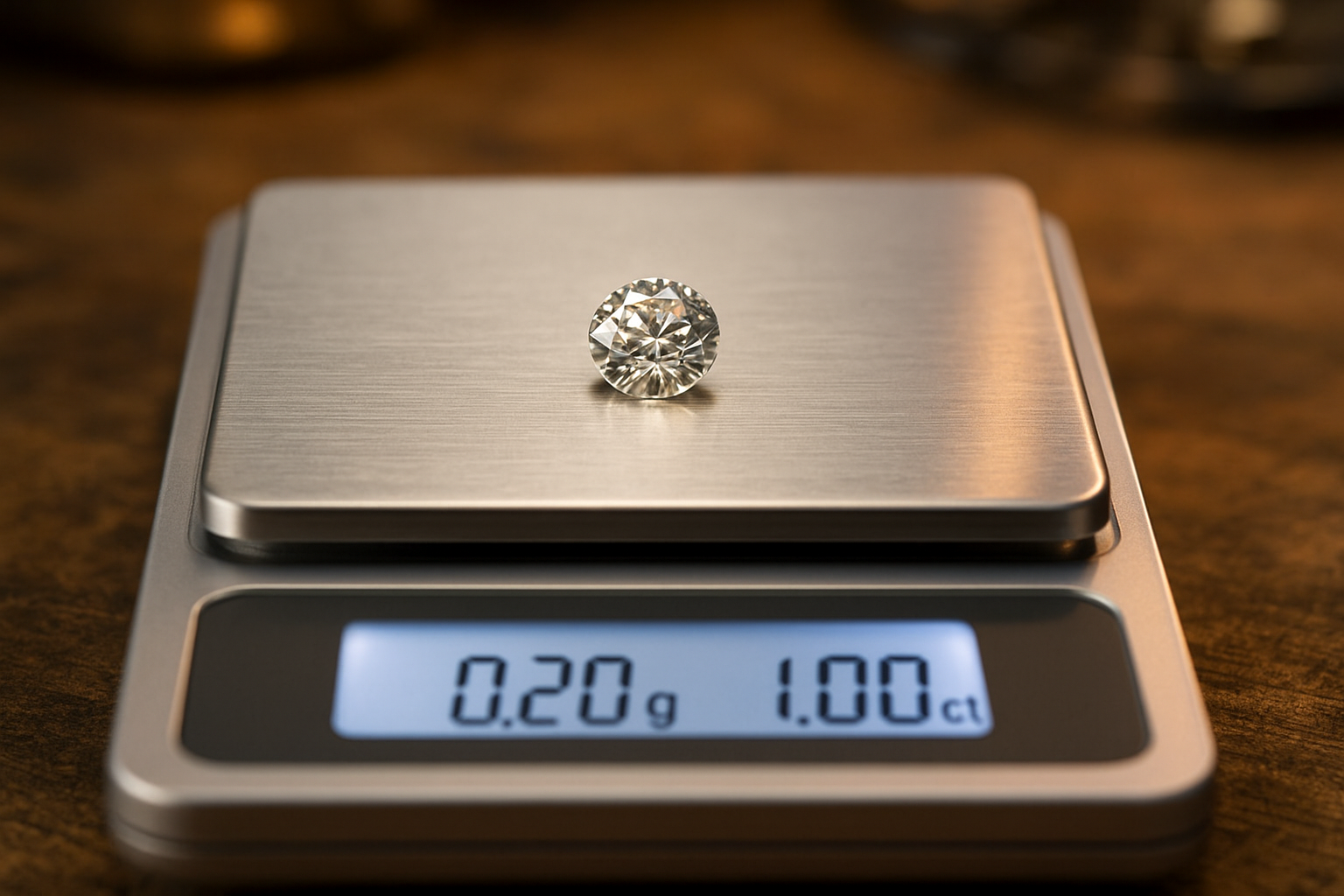
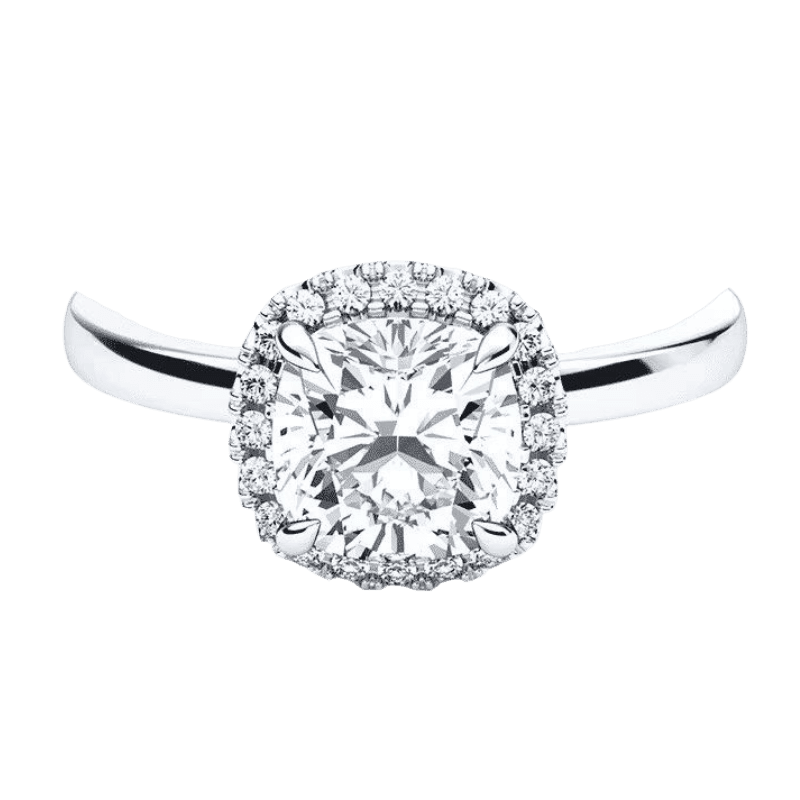
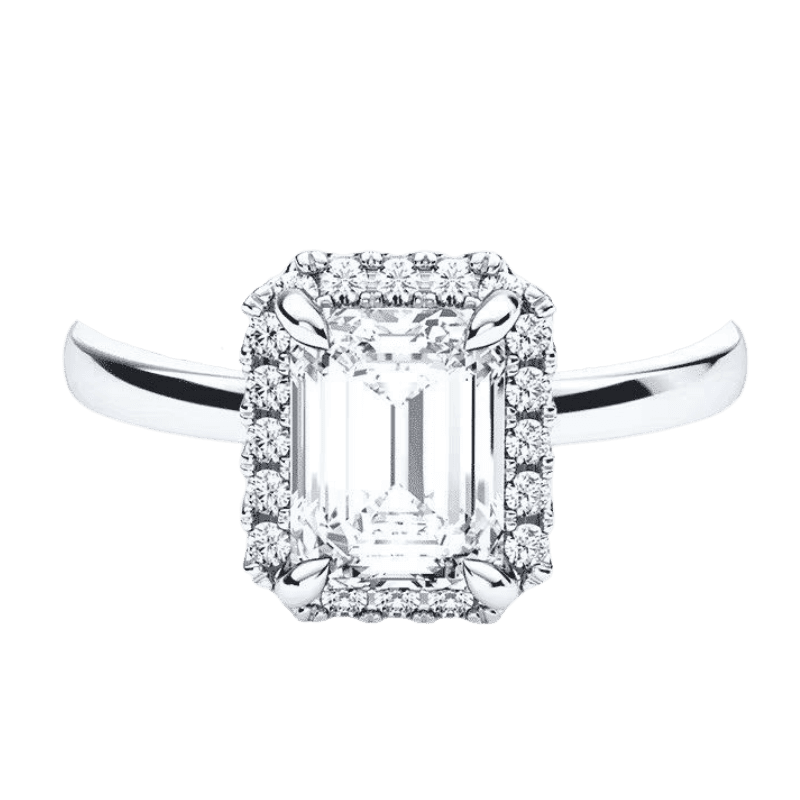
Diamonds come in various shapes: round, oval, cushion, heart, or pear-shaped.
The round brilliant is considered a classic due to its perfect light dispersion.
Other shapes allow for the expression of individuality.
Diamond Color and Clarity
The fewer the inclusions and color tints, the more valuable the diamond.
Clarity is rated from IF to I3, and color from D to Z.
This determines both visual beauty and price.
Diamond Prices in Lithuania
In Lithuania, diamond prices depend on the certificate, weight, and purity.
Fashion Gold offers both natural and lab-grown stones according to the client’s budget.
Every diamond is carefully selected by our experts.
Consultation Before Purchase
Before purchasing a diamond, always consult with our experts.
We will help you evaluate the 4C criteria, budget, and design.
A properly chosen stone will bring joy for a lifetime.