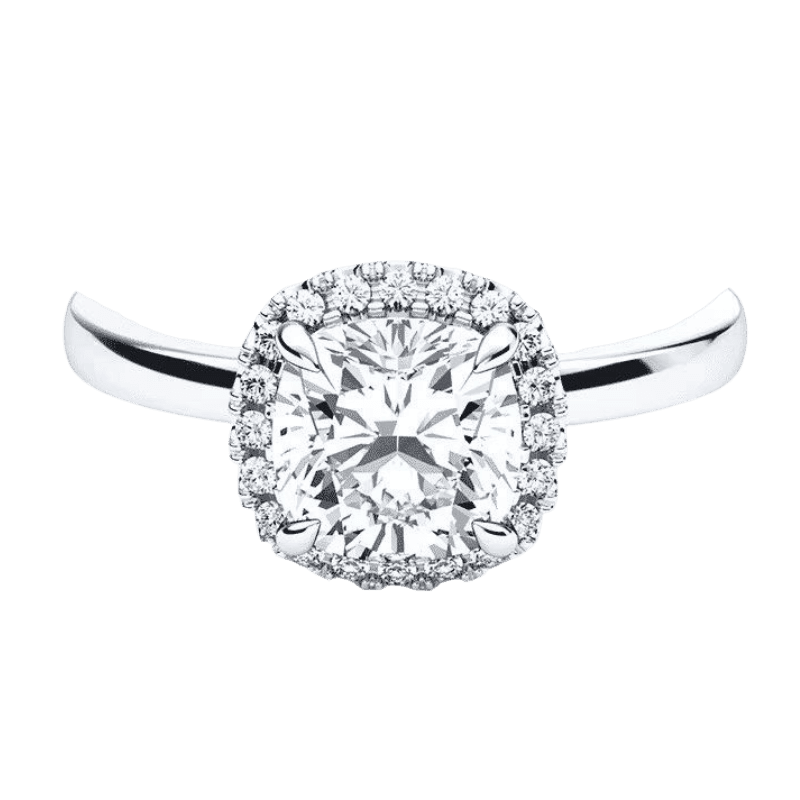
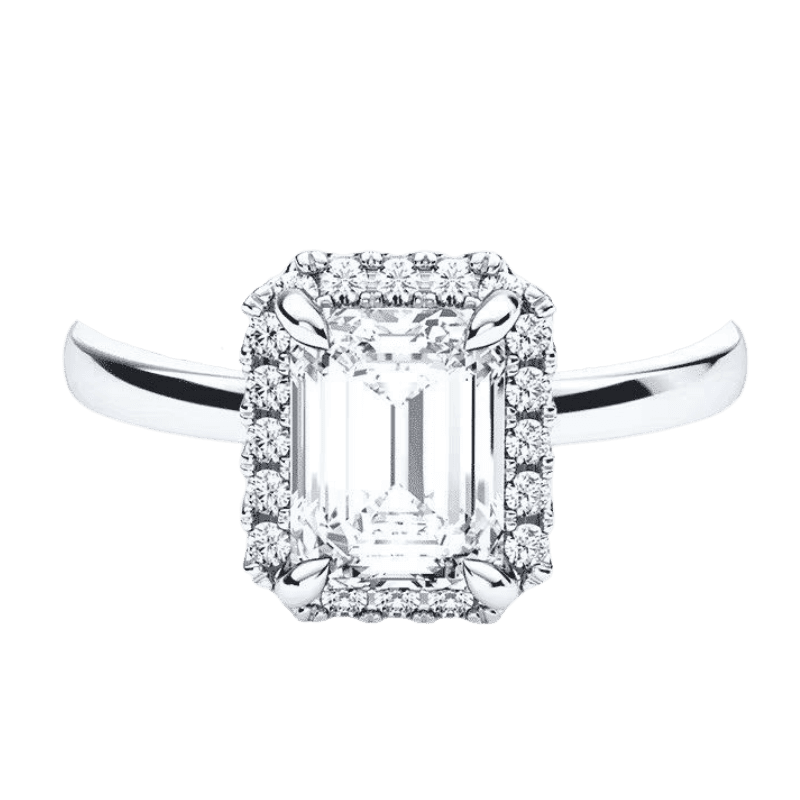
Diamonds have been praised and glorified – diamonds are not just gemstones, but special stones with symbolic and emotional value. Women talk about them, dream about them; some count the ones they have and plan for the ones they will have in the future. There is no doubt that almost all women adore these magnificent gemstones. However, not everyone has the opportunity to purchase one – a high-quality diamond has its price, determined by many factors. One of them is that diamonds form over many years, which certainly increases their value. Natural diamonds form deep within the earth, so their origin is natural and unique. The uniqueness and rarity of a natural diamond also determine its value.
However, today we can purchase lab-grown diamonds that are no less impressive and are obtained very quickly compared to natural ones. So-called laboratory diamonds (Lab diamonds / laboratory-grown diamonds) have conquered the jewelry market and easily find their way into women’s hearts. A laboratory diamond is created artificially, but just like a natural diamond, it possesses the same chemical and optical properties. The laboratory diamonds we offer are certified and meet strict quality requirements.
Laboratory diamonds are real diamonds that meet the highest quality standards and are an excellent choice for those looking for a combination of sustainability and beauty. Everyone can choose a diamond according to their needs and values, as laboratory diamonds are more affordable than natural diamonds. So, what is the difference between natural and laboratory diamonds, how are the latter grown, and why is it worth considering and purchasing them?
What are natural diamonds?
Natural diamonds are the hardest material found in nature. They form deep in the earth’s crust. Due to their four characteristics: hardness, purity, clarity, and cut, they are unique and the most expensive among the abundance of gemstones. The stone’s color, type, clarity, and cut are the aspects that directly influence a diamond’s value. True, if you buy a raw diamond, its price will likely not be very high, but those wishing to purchase a polished diamond often pay significant sums.
In nature, the formation of a natural diamond occurs in three stages: first, carbon (remember, a diamond is a carbon crystal) combines with other elements to form graphite; the latter comes into contact with heat and pressure, forming a piece of graphite; finally, under the influence of moisture, a diamond is formed.
Nevertheless, the high price, complex extraction methods, as well as decreasing diamond resources, encourage the search for alternatives. Therefore, laboratory-grown diamonds are likely a promising future.
What are laboratory diamonds (Lab Grown Diamonds)?
Laboratory diamonds, often referred to as Lab Grown Diamonds, are diamonds grown in a laboratory that do not differ visually, physically, or chemically from natural ones. The essential difference, however, is that they are created artificially. Laboratory diamonds, like natural ones, possess identical properties. The creation and growth process uses the most advanced modern technology, a wealth of knowledge and experience, competence, and dedication to the craft. All of this is used in a complex way, allowing the natural diamond growth process to be replicated in the laboratory, only much faster.
Although lab-grown diamonds are still a novelty in the jewelry sector, this does not hinder their growing popularity. Our laboratory diamonds are real diamonds that meet the highest quality standards. Moreover, rapidly advancing technologies allow for the discovery of even more modern ways to grow diamonds in laboratories. Customers can choose laboratory diamonds according to their needs and preferences.
What is the difference between Lab Grown and natural diamonds?

We have already mentioned that distinguishing natural diamonds from those grown in a laboratory is a rather difficult mission. In physical, chemical, and optical aspects, they are almost identical; their properties are the same as a natural diamond, and the brilliance is the same. Even looking through a special loupe, it is not easy to distinguish these diamonds. Lab-grown diamonds are real diamonds, but their origin differs from natural diamonds. So, what are their differences?
The diamond creation/formation process
Naturally grown diamonds usually form over at least a billion years deep within the earth! This natural diamond formation process is long and unique. The number seems unbelievable, doesn’t it? Meanwhile, a laboratory-grown diamond won’t take even a year – not even a month. Approximately a 1 ct diamond can be grown in about 22 days. The specific timeframe is influenced by technical capabilities.
Diamond price
As we mentioned, not everyone can afford natural diamonds, as their price is higher, often significantly so. Laboratory diamonds are considerably cheaper, and since their appearance does not differ from natural ones, it is a great opportunity to acquire magnificent-looking gemstones much more affordably. Additionally, customers can choose high-quality stones at an affordable price.
Possible diamond size
You might ask, what could be the difference in size between natural and Lab Grown diamonds? After all, if a stone is small, both a natural and a lab-grown one will be small, right? This is partly true for small stones, but if larger stones are required, you won’t find lab-grown ones in the same massive sizes. This is because natural diamonds pleasantly surprise with a variety of sizes and shapes, while currently, there are fewer possibilities for growing exceptionally large stones in laboratories.
Focus on environmental protection

For some time now, ideas of environmental protection, ecology, and sustainability have been very relevant, as they are directly related to the environment around us, its future, the air we breathe, and the nature we enjoy every day. However, it must be admitted that natural diamond extraction processes in mines are not environmentally friendly. Another aspect is that people in mines work in difficult conditions, often involving exploitation. The situation with laboratory diamonds in this context is completely different – they are grown in a clean environment where the safety and comfort of all employees are ensured, with good working conditions, and they are not burdened with physically demanding labor. Furthermore, laboratories typically use renewable energy sources, such as solar or wind, to grow diamonds, making their growth process sustainable and eco-friendly.
Laboratory diamond growth methods
Each laboratory diamond is created using one of these advanced methods.
There are two main methods for growing diamonds in laboratories:
CVD (Chemical Vapor Deposition) – extracted from a 100% diamond seed, i.e., an extremely tiny piece.

HPHT (High Pressure High Temperature). Under extremely high pressure and high temperature, by creating an environment identical to the natural one, diamond growth is stimulated.

What are the advantages of laboratory diamonds?
Price. When talking about gemstones, especially diamonds, price is a sensitive issue for many. Let’s face it, not everyone can afford to buy gemstones like diamonds, encrust jewelry with them, or create unique, original accessories. So, the good news is that Lab diamonds will cost up to 70 percent less compared to those extracted naturally.
Maximum quality. Laboratory diamonds demonstrate the highest quality and exceptional beauty. Visually identical to natural ones, you can choose any color you want (from D to Z), as well as the desired clarity (from IF to P3). Our laboratory diamonds allow you to choose the desired option according to your needs, so everyone will find the most suitable solution.
Ecology. Because they are grown in laboratories, laboratory diamonds are created without any harm to nature – the production process is clean, reliable, sustainable, and based on the use of green energy.
If you have a weakness for diamonds but, due to finances, love for nature, or other aspects, do not want to or cannot purchase natural ones, then lab-grown diamonds will be the perfect alternative. Visually almost indistinguishable from natural ones, they look perfect both on their own and in jewelry. Engagement and wedding rings with diamonds, earrings, necklaces, and bracelets with diamonds hold high positions in this market. Pamper yourself or let it be a special gift for a loved one.
Jewelry made with laboratory diamonds

Diamond jewelry is a symbol not only of luxury but also of eternal value. Among the most popular choices are diamond rings, diamond earrings, pendants, bracelets, and even luxury watches. Each of these types of jewelry can be adorned with both natural and laboratory-grown diamonds, but lab-grown diamonds are increasingly chosen for their excellent quality and more accessible price.
Diamond rings, especially engagement rings with laboratory diamonds, have long been a symbol of love and loyalty. They fascinate not only with their brilliance but also with their meaning – a diamond ring is often passed down from generation to generation, becoming a family heirloom. Lab-grown diamonds allow you to purchase a larger or higher-quality stone for the same price as a natural diamond, which is why more and more young couples are choosing this option.
Earrings with laboratory diamonds are a classic that never goes out of style. They are perfect for both everyday wear and special occasions, and laboratory diamonds ensure that you can choose from various shapes, sizes, and quality levels, regardless of budget. This means everyone can find a suitable option – from subtle everyday earrings to impressive evening jewelry.
Diamonds are considered a symbol of love, loyalty, and wealth, so jewelry with laboratory diamonds is an excellent choice for those who want to purchase an accessory that has both beauty and meaning. The price of laboratory diamonds is lower than natural diamonds, but they are of the same high quality, so you can confidently choose a laboratory diamond for your jewelry and enjoy impeccable brilliance at an affordable price.
Whether you are looking for a ring with a laboratory diamond, earrings with laboratory diamonds, or other jewelry – lab-grown diamonds provide the opportunity to choose from a wide variety of shapes, sizes, and qualities. It is a great choice for those who value not only beauty but also a responsible approach to the environment and want to purchase a luxury item at the same or even lower price than natural diamonds.