Magical Alexandrite: The Stone That Changes Color
Can you imagine a gemstone that looks greenish or bluish in the morning and purple or pinkish in the evening? This incredible property belongs to alexandrite – one of the most mysterious and rarest gemstones in the world. Why is this stone so special? Because of its unique color change and rarity.
What is Alexandrite?
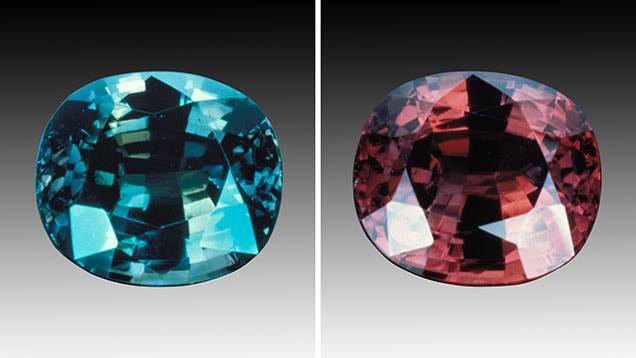
Alexandrite is one of the rarest and most valuable gemstones in the world, naturally found in only a few regions – mainly Russia, Sri Lanka, Brazil, and some African countries. This stone belongs to the chrysoberyl group and stands out for its special feature – color change depending on the lighting. In daylight, alexandrite is green or bluish-green, and in the evening or by candlelight – purple with red hues. Because of this, alexandrite is considered one of the most expensive and sought-after gemstones, fascinating not only with its beauty but also its mystery.
This phenomenon is known as color change and is one of the most valuable properties of gemstones. It’s no wonder alexandrite is often called “emerald by day, ruby by night”. The properties of this gemstone set it apart from others.
Origin and History
Alexandrite was first discovered in 1830 in Russia, in the Ural Mountains. Legend has it that it was named in honor of Tsar Alexander II. Interestingly, the stone’s colors – green and red – were also the colors of the Russian Empire at that time.
Today, alexandrite is also found in Sri Lanka, Brazil, Tanzania, India, and Madagascar, but the highest quality stones are still found in Asia – with the most vivid color change and excellent clarity. Now, alexandrite can be purchased from various sources, and this stone is once again popular among jewelry lovers.
Alexandrite Color
The color of alexandrite is one of the most unique among all gemstones and depends on the light source. In daylight, alexandrite is emerald green, while in artificial light, especially candlelight or lamps, the color of alexandrite becomes reddish-purple or lilac.
What does color change mean?
The color change depends on the light source. Alexandrite absorbs different wavelengths of light and reflects them differently:
– In daylight (lots of blue and green light) it looks greenish.
– In lamp or candlelight (lots of red light) it becomes purple or reddish-brown.
The more vivid and clear the change, the more valuable the stone. Color intensity and contrast are among the most important quality criteria. While other gemstones remain one color, alexandrite surprises with its transformation.
Genuine alexandrite is one of the most expensive gemstones, and its color is highly valued for both its rarity and the impressive visual effect that surprises every time the lighting changes.
How is the Alexandrite Quality Factor Evaluated?
According to GIA (Gemological Institute of America), alexandrite quality is determined by several important criteria. Each of them affects not only the stone’s aesthetics but also its market value. This is especially important for those looking for investment value or seeking to acquire an exclusive piece of jewelry.
1. Color Change
This is the most important and distinctive feature of alexandrite. The more vivid and contrasting the color change – from deep green or bluish-green in daylight to red, purple, or lilac in the evening light – the higher the stone’s value. Ideally, the change is almost complete – 100%, and the transitional colors between greenish and reddish are clear and lively. More expensive alexandrites can look like “two completely different stones” – depending on the lighting.

2. Color Saturation
The best alexandrites feature rich and pure colors in both day and artificial light. Pale, hazy, or too dark shades are considered of lower value. Medium-toned stones are especially valued, where the color change is clearly visible, but the stone itself is neither too light nor too dark. GIA notes that some very dark alexandrites, although they change color, lose their brilliance – therefore, they are valued less.

3. Clarity
Like most gemstones, the clearer the alexandrite – the more valuable it is. However, certain inclusions are characteristic of this stone, especially if it comes from certain regions (e.g., Russia or India). If inclusions are minimal and do not obstruct the light from passing through the stone – it is still considered high-quality alexandrite. Clarity is especially important for rings or earrings where the stone is seen up close.

4. Cut
A properly cut alexandrite not only highlights the color change but also enhances brilliance and depth. Oval, cushion, emerald, or round shapes are most common, but the most important thing is not the shape, but how it highlights the play of light. A poor cut can overshadow even a high-quality stone, so professional cutting is essential.

5. Provenance
Although origin is not a direct quality criterion on the GIA scale, Russian alexandrites (especially from the Urals) are still considered the benchmark due to their exceptional color change and historical heritage. Origin documents or certificates further increase the stone’s value.
Tips for Choosing Alexandrite Jewelry
Want a unique ring or pendant? Choose an alexandrite with a vivid color change – it’s a great opportunity to have “two stones in one”.
Longing for a rare stone with history? Look for the place of origin – Russian alexandrite is highly valuable to collectors.
Want an exclusive gift? Alexandrite is the June birthstone and is often gifted for 55th wedding anniversaries.

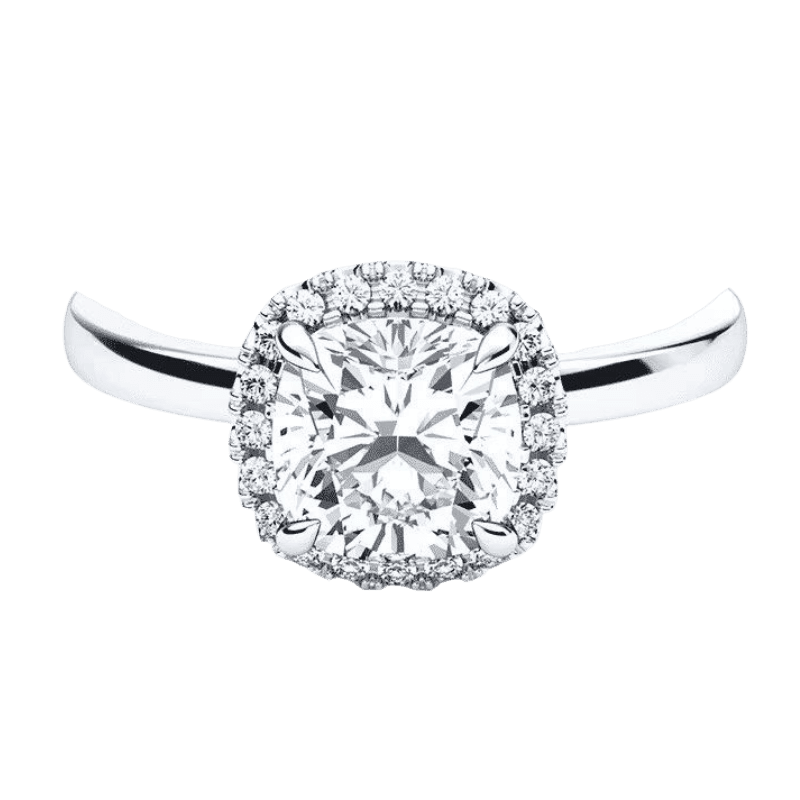
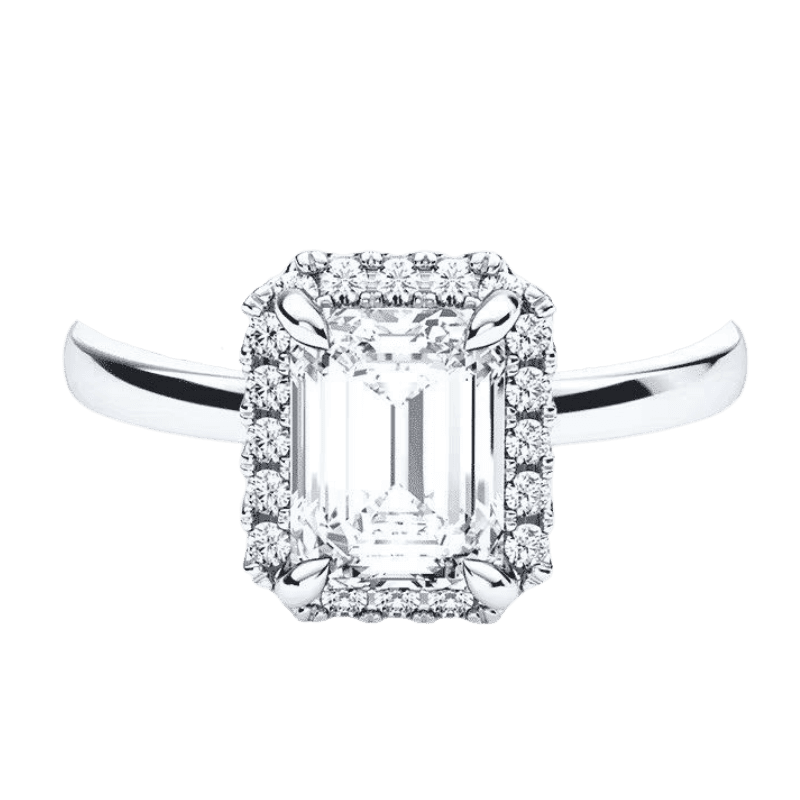
Alexandrite is not only a rare gemstone but also an exclusive accent in jewelry pieces. Alexandrite rings are especially popular among those seeking originality – the stone changes color depending on the lighting, so it always looks different. It is an excellent choice for both engagements and anniversaries. Alexandrite earrings shine with subtle elegance and highlight the eyes, especially when the stone complements evening light. Alexandrite pendants are a wonderful gift for a woman celebrating a June birthday or for anyone who appreciates the magical transformation of a gemstone. These jewelry pieces attract attention not only for their beauty but also tell a story of rarity, luxury, and nature’s wonders. All alexandrites exhibit color change, but only the highest quality stones have sharp contrast. Various shapes and sizes of stones are available, and custom jewelry can also be ordered according to your wishes.
Frequently Asked Questions about Alexandrite
Is alexandrite expensive?
Yes, high-quality natural alexandrite is very rare, making it one of the most expensive gemstones in the world. Its price often exceeds even those of diamonds or sapphires. The price also depends on the size of the stone – the larger and higher the quality, the more expensive. How much alexandrite can cost depends on its quality and size. The price of high-quality alexandrites can range from several thousand to several tens of thousands of euros per carat.
How to distinguish natural alexandrite from synthetic?
Synthetic alexandrites are made in laboratories and also change color, but their chemical structure and inclusions differ. The most reliable way is to request a certificate from a trusted gemological laboratory, such as GIA.
Is alexandrite suitable for everyday wear?
Yes, alexandrite is a quite durable stone (hardness of 8.5 on the Mohs scale), so it is suitable for rings and other jewelry worn daily. However, like all gemstones, it should be protected from impacts and chemicals.
Alexandrite Care
Caring for alexandrite is very important to ensure the stone remains beautiful and doesn’t lose value. Although alexandrite is scratch-resistant, it must be protected from strong impacts, as sudden mechanical force can damage the stone or its setting. It is recommended to clean alexandrite jewelry with a soft cloth and mild soapy water, avoiding harsh chemicals that could damage the stone or its color. It is also important to protect alexandrite from direct sunlight and high heat so that it doesn’t fade and remains as vivid and charming as the first day. Proper care will ensure that the alexandrite continues to delight its owner with both its beauty and its value.
Conclusion
Alexandrite is a symbol of mystery and luxury. It not only pleases the eye with its unique dance of colors but also tells a unique story. If you are looking for something truly special – this gemstone can become an unparalleled accent of your style.
Alexandrite – Uniqueness That Inspires
At “Fashion Gold” jewelry house, every piece of jewelry is a creation of both beauty and history. If you are fascinated by the magic of alexandrite, we invite you to create a unique piece of jewelry together: a ring, earrings, or a pendant where this rare stone can reveal all its charm.
We are long-standing members of the world’s largest diamond and gemstone exchanges, so we can source high-quality alexandrite according to your expectations – at a competitive price. Our jewelers, with decades of experience, will ensure that every detail is perfect. Because when a stone is this special – its setting must also be flawless.