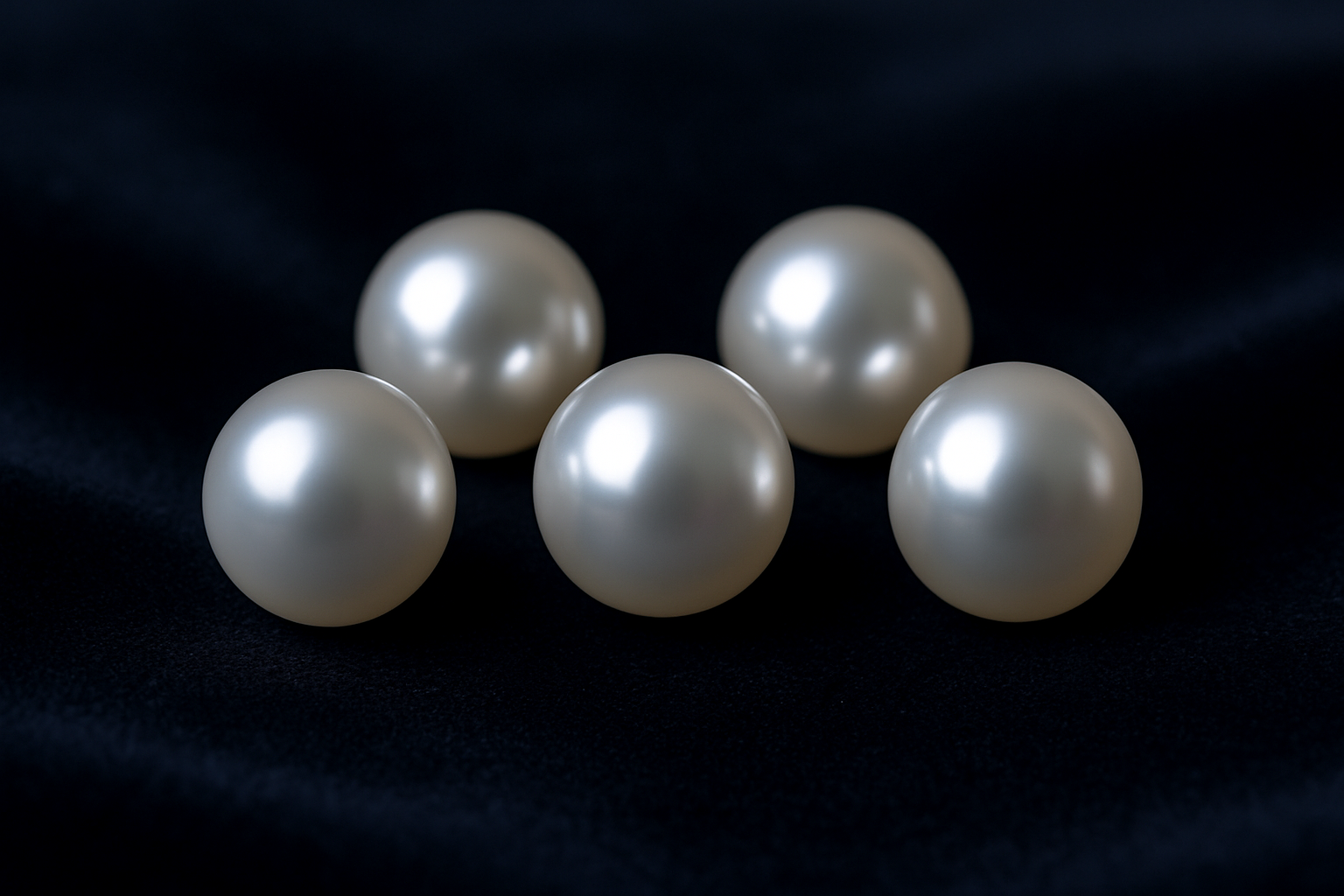
Pearls are among the most elegant and timeless jewelry stones, symbolizing purity, femininity, and natural beauty. In this article, we will talk about the types of pearls, their formation, and their value. These white or colored glowing stones adorn earrings, pendants, necklaces, rings, and bracelets. Pearls are like a combination of light and water, so their soft luster always catches the eye. Today, pearls are chosen by both brides and daily style enthusiasts. However, pearl types and their prices vary greatly – depending on origin, size, and quality, the differences can be enormous. From a few tens to several thousand euros for a single stone – why is that?
Advised by Julija Gerlich, founder of the jewelry house Fashion Gold and a gemstone specialist.
Natural and Cultured Pearls
Natural pearls form without human intervention – when a grain of sand or a parasite accidentally enters a mollusk’s shell. It can take many years for a natural pearl to form, so these pearls are extremely rare and expensive – their value can reach tens of thousands of euros. Therefore, cultured pearls are most commonly found on the market, grown under controlled conditions where humans help the mollusk “start” the pearl formation process.
How Cultured Pearls are Grown
Cultured pearls are grown in natural bodies of water – seas or freshwater lakes. A nucleus (often a tiny bead) is inserted into the mollusk’s shell, acting as a base for nacre to accumulate. Over several years, the mollusk coats the nucleus with layers of nacre – this is how a pearl forms. The more years the mollusk grows, the thicker the nacre layer and the more valuable the pearl.
Saltwater and Freshwater Pearls
Pearls are divided into saltwater and freshwater (also called river pearls). Freshwater pearls are mostly grown in China, while saltwater pearls are grown in Japan, Polynesia, Indonesia, or Australia.
Freshwater (river) pearls do not have a nucleus – they are composed entirely of nacre, so they come in various shapes: oval, button, drop, or baroque. They are slightly cheaper but feature a variety of colors and a subtle luster.
Saltwater pearls, on the contrary, grow in salt water and have a nucleus. They are larger, smoother, more perfectly round, and shine more intensely – which is why they are more expensive and more valued in the market.
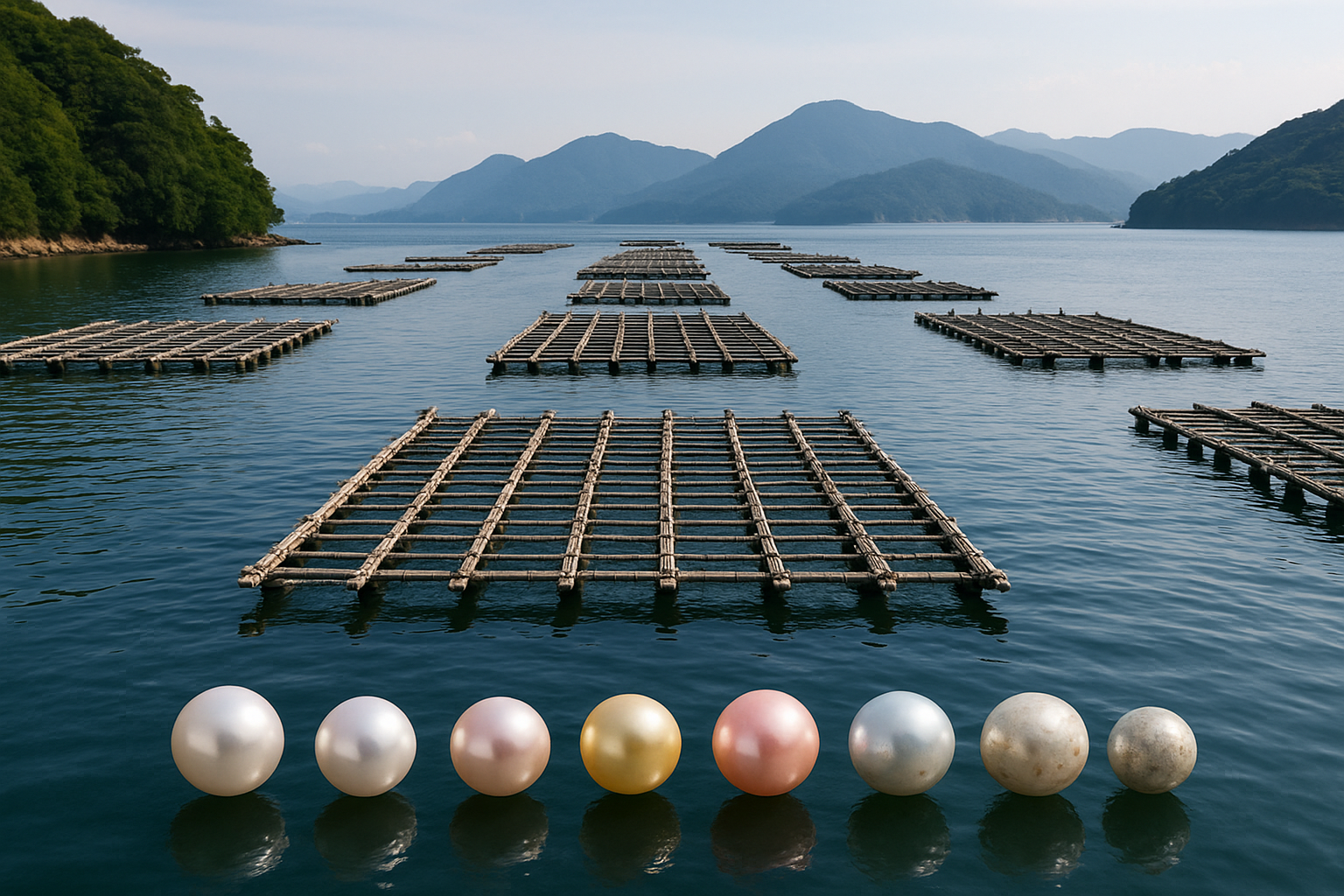
Main Types of Saltwater Pearls
Akoya Pearls (Japan)
Akoya pearls – a classic and a benchmark of elegance. These were the first commercially cultured pearls, making Japan famous worldwide. They are characterized by an especially bright mirror-like luster, perfect round shape, and soft shades – from white to silver with a pinkish tone.
Size: 1–11 mm.
Price: from €80 to €800 per pearl, depending on size and quality.
South Sea Pearls
These pearls grow in the warm waters around Australia, Indonesia, and the Philippines. They stand out for their size and natural radiance – their nacre layer is extremely thick, so the light seems to “live” inside them. Colors vary from cool white to rich gold.
Size: 8–22 mm.
Price: from €500 to €5,000 per pearl.
Tahitian (Black) Pearls
A true work of art – Tahitian pearls. They are unique for their play of metallic shades – from dark gray to greenish, violet, blue, or even burgundy. Although called black, they are rarely completely black. Each pearl is different, making it very difficult to create a necklace of uniform shade, which increases the price.
Size: 8–20 mm.
Price: from €100 to €3,000 per pearl.
Freshwater Pearls – An Affordable Luxury Option
Freshwater pearls are mostly grown without a nucleus, so they consist entirely of pure nacre. They come in various shapes – not just round, but also drop, baroque, or even irregular, which gives them artistic uniqueness. Also, these pearls feature a very wide range of colors and shapes.
Colors: white, pink, peach, lavender, or champagne.
Size: 3–12 mm.
Price: from €10 to €200 per pearl – a great choice for those who want the beauty of pearls at a more accessible price.
Pearl Value Criteria
When choosing pearls, it is essential to evaluate six main quality criteria:
- Luster – the most important indicator. The stronger it is, the more valuable the pearl.
- Surface cleanliness – the fewer spots or irregularities, the better.
- Shape – perfectly round pearls are the rarest and most expensive.
- Color – natural, soft, but rich colors are valued.
- Size – every additional millimeter significantly increases the price.
- Nacre thickness – determines the longevity and radiance of the pearl.
How to Check Pearl Quality
A real pearl always feels cold and heavy when touched against the skin. It has a natural, deep luster – as if light comes from within. If the pearl is too light or has a plastic-like shine, it is likely an imitation.
Why Pearls Lose Their Luster
Pearls are sensitive to environmental effects. They must be protected from sun, heat, perfumes, cosmetics, and chlorine. These factors can cause their surface to lose its natural radiance. Pearls should not be kept in airtight boxes – they need air.
How to Care for Pearls
After wearing, pearl jewelry is best cleaned gently with a soft cloth. They should not be cleaned with chemicals or ultrasonic cleaners. Keep them separate from other jewelry to prevent harder stones from scratching their surface.
Pearls – A Valuable Investment
High-quality saltwater pearls, especially Akoya, South Sea, or Tahitian, not only retain their value over time but often even increase in price. Therefore, a pearl is not just an ornament, but a long-term investment that can become a family heirloom.
Which Pearls to Choose?
If you are looking for luxury and classics – choose Akoya or South Sea pearls. A classic pearl necklace is a universal piece of jewelry, suitable for both daily wear and special occasions, and is often passed down as a family heirloom. If you want uniqueness – Tahitian pearls will fascinate you with their play of colors. And for those who want subtle elegance at a more accessible price, freshwater pearls are perfect.
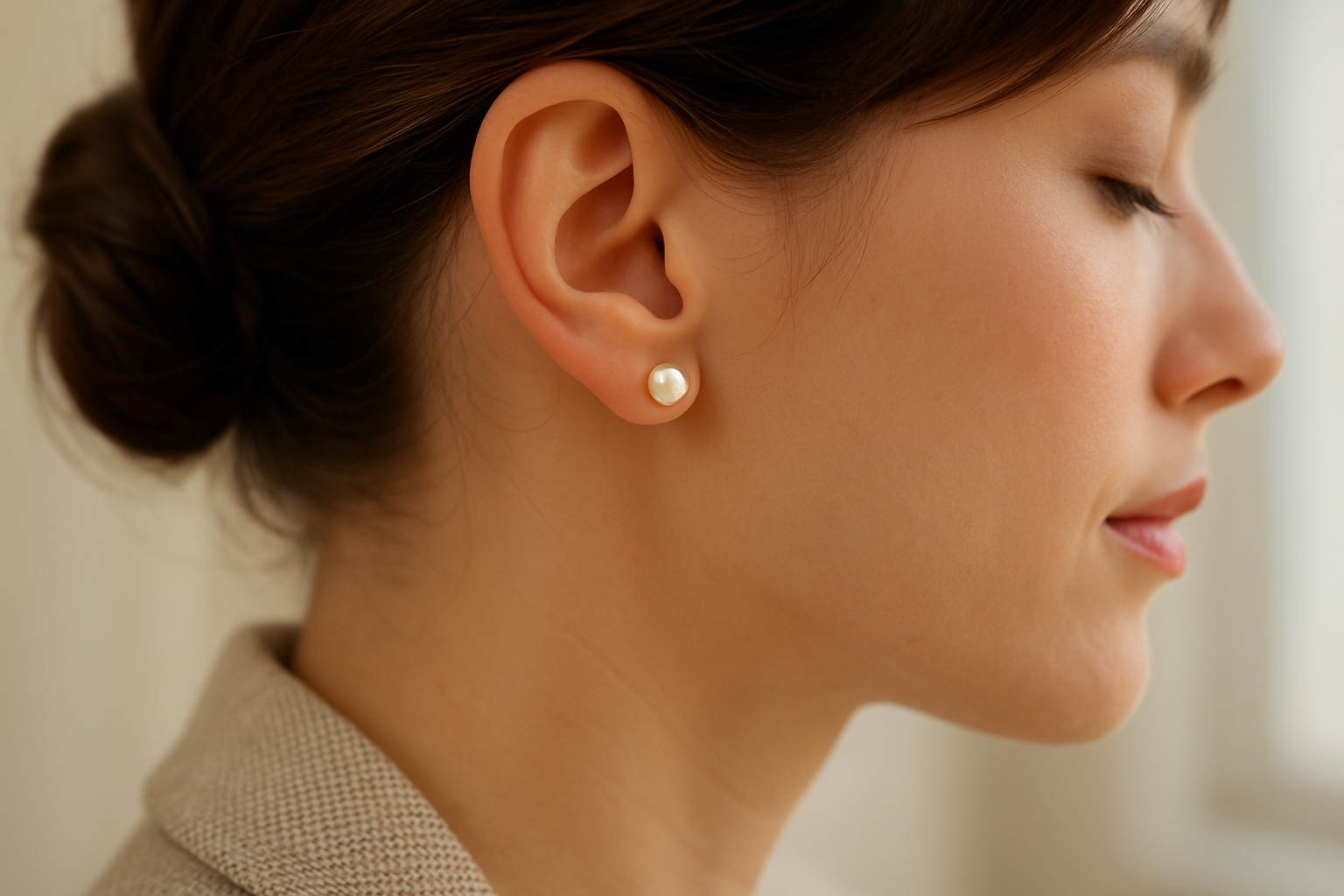
Pearls are a wonder of nature, creating an eternal impression of beauty. Although their prices can vary greatly, every pearl chosen with love and knowledge will become a special symbol in your life. A quality pearl is not just jewelry, but an investment in beauty, timeless style, and family tradition.