Magical Alexandrite: The Stone That Changes Color

Alexandrite is a gemstone that changes color depending on the lighting. Can you imagine a gemstone that shines with greenish or bluish shades in daylight and turns purple or reddish in artificial light in the evening? This incredible color change is characteristic of alexandrite – one of the most mysterious, rarest, and most fascinating gemstones in the world, considered a true wonder of nature.
They are special and rare, and their symbolism and associated myths set them apart from other gemstones, as it is believed to possess magical properties precisely because of its ability to change color and is shrouded in legends of protection and luck.
This article is for everyone interested in gemstones, jewelry, or looking for an exclusive piece of jewelry. Alexandrite is increasingly chosen as an investment or a special gift due to its rarity and uniqueness. Why is this stone so special? Because of its unique color change and rarity.
What is Alexandrite?
Alexandrite is considered one of the rarest and most valuable gemstones in the world. Naturally, it is found only in very limited regions – historically the most famous deposits are in Russia, and today they are also found in Sri Lanka, Brazil, and some African countries, so the supply of this stone remains extremely limited and highly valued. This stone belongs to the chrysoberyl group. Chrysoberyl is a group of minerals to which alexandrite belongs.
Alexandrite stands out for its special property – color change depending on the lighting. Color change is a gemstone’s ability to change color depending on the light source. In daylight, alexandrite reveals itself in greenish or bluish-green shades, and in the evening – in artificial or candlelight – its color changes to violet with reddish or red tones. This impressive transformation means that alexandrite is considered one of the most expensive and desirable gemstones in the world, fascinating not only with its beauty but also with its mysterious character.
This phenomenon is called color change and is one of the rarest and most valuable properties of gemstones. It is no wonder that alexandrite is often described as “emerald by day, ruby by night” – it is this property that distinguishes it from other gemstones and gives it a unique identity in the world of jewelry.
Origin and History
Alexandrite was discovered in 1830 in Russia, in the Ural Mountains. According to legend, this gemstone was named in honor of Tsar Alexander II. Interestingly, the two main colors of the stone – green and red – matched the colors of the then Russian Empire, so alexandrite quickly gained symbolic meaning.
Today, alexandrite is also found in other regions of the world, including Sri Lanka, Brazil, Tanzania, India, and Madagascar. Nevertheless, the highest quality stones, characterized by vivid color change and excellent clarity, are most often associated with Asian deposits. Due to limited supply and exceptional properties, alexandrite remains highly valued today and is gaining popularity again among jewelry collectors and lovers of exclusive jewelry.
Types of Alexandrite
Alexandrite is one of the most expensive gemstones, which fascinates not only with its color change but also with its variety. This stone belongs to the chrysoberyl group and is very rare, so each of its types has unique features. Alexandrite is found in only a few places in the world, and each region is characterized by unique stone properties.
One of the most famous and valuable types is Russian alexandrite. This stone was discovered in the Ural Mountains and is still considered the benchmark due to its exceptional color contrast and rich greenish shade in daylight. Russian alexandrite is very rare, so its value is extremely high.
Sri Lankan alexandrite is also highly valued for its bright, clean colors and excellent clarity. This stone often features a softer but still clear color change that fascinates both collectors and jewelers. Alexandrite found in Sri Lanka is one of the most popular choices for those looking for an exclusive but slightly more accessible option.
Brazilian alexandrite stands out for its unique color combinations and often comes in larger sizes. This stone also features good clarity and a vivid color change, but its shades may be slightly softer than those of Russian or Sri Lankan alexandrite. Despite this, Brazilian alexandrite is highly valued for its rarity and beauty.
Each type of alexandrite has its own charm, so when choosing this gemstone, it is worth paying attention not only to the color change but also to the country of origin and the stone’s clarity. Alexandrite is a true wonder of nature that surprises with its uniqueness every time.
Alexandrite Color
The color of alexandrite is considered the most unique among all gemstones because it directly depends on the light source. In daylight, this stone reveals a rich emerald green, and in artificial light – especially candlelight or lamp light – its color changes to red-violet, purple, or lilac. It is this unusual transformation that makes alexandrite an exceptional and highly valued gemstone.
What Does Color Change Mean?
Color change is a phenomenon where a gemstone absorbs and reflects light differently depending on its wavelength. Alexandrite has a special crystalline structure that allows it to “react” to different types of lighting:
- In daylight, where blue and green light waves prevail, alexandrite appears greenish or bluish-green.
- In artificial light, especially candlelight or lamp light, where the red light spectrum dominates, the stone takes on purple, reddish-violet, or even brownish shades.
Why is it So Highly Valued?
The brighter, more contrasting, and clearer the color change, the more valuable the alexandrite is considered. Color intensity, clarity of transition, and visual contrast are among the most important quality criteria for this gemstone.
Unlike most other gemstones that maintain one constant color, alexandrite constantly surprises with its transformation – every time the lighting changes, it looks different.
True, natural alexandrite is one of the most expensive and rarest gemstones in the world. Its color is valued not only for its rarity but also for its impressive visual effect, which creates a “living,” constantly changing stone that fascinates every time you look at it. Alexandrite symbolism and magical properties
Alexandrite has long been considered not only a symbol of luxury but also of mysticism. It is believed that this stone strengthens intuition, helps in making the right decisions, and protects against negative energies. Due to its color change, alexandrite is associated with balance, flexibility, and the ability to adapt to life’s changes.
Many believe that alexandrite encourages creativity, strengthens will, and helps maintain emotional balance. It is often given as a symbol of luck, love, and renewal. In mystical traditions, alexandrite is considered a stone that can protect against danger and help reveal inner potential.
How is Alexandrite Quality Evaluated?
The quality of alexandrite is evaluated according to international gemological standards applied by institutions such as the GIA (Gemological Institute of America) – one of the most authoritative gemological organizations in the world. Based on GIA guidelines, the value of alexandrite is determined by several key criteria that dictate both the stone’s visual appeal and its market price.
These quality factors are particularly important not only for jewelry lovers but also for those looking for investment value or wanting to purchase an exclusive gemstone with long-term value. Each criterion directly influences the rarity, demand, and overall value of alexandrite.
Main Quality Criteria for Alexandrite
| Criterion | Description |
|---|---|
| Color Change | The most important and unique feature of alexandrite. The brighter and more contrasting the color change – from rich green or bluish-green in daylight to red, purple, or lilac in evening light, the higher the stone’s value. Ideally, the change is almost complete – 100%, and the transitional colors between greenish and red are clear and vivid. More expensive alexandrites can look like “two completely different stones” depending on the lighting. |
| Color Saturation | The best alexandrites feature rich and pure colors in both day and artificial light. Pale, hazy, or too dark shades are considered of lower value. Medium-toned stones, where the color change is clearly visible but the stone itself is neither too light nor too dark, are especially valued. Some very dark alexandrites, although they change color, lose their brilliance – and are therefore valued less. |
| Clarity | As with most gemstones, the clearer the alexandrite, the more valuable it is. Certain inclusions are characteristic of this stone, especially if it originates from certain regions (e.g., Russia or India). If inclusions are minimal and do not hinder light from passing through the stone – it is still considered high-quality alexandrite. Clarity is especially important for rings or earrings where the stone is viewed up close. |
| Cut | A properly cut alexandrite not only highlights the color change but also enhances brilliance and depth. Oval, cushion, emerald, or round shapes are most common, but the most important thing is not the shape, but how it highlights the play of light. A poor cut can overshadow even a very high-quality stone, so professional cutting is essential. |
| Place of Origin (Provenance) | Although origin is not a direct quality criterion on the GIA scale, Russian alexandrites (especially from the Urals) are still considered benchmarks due to their exceptional color change and historical heritage. Origin documents or certificates further strengthen the stone’s value. |
Knowing the main quality criteria, we can more easily choose the right alexandrite for engagement jewelry.
Tips for Choosing Alexandrite Jewelry
Looking for a unique ring or pendant?
Choose an alexandrite with a bright and clear color change – it’s like two gemstones in one. Such jewelry changes depending on the lighting, so it looks different every time and never gets boring.
Want a rare stone with history and lasting value?
Pay attention to the origin of the alexandrite. Alexandrites of Russian origin are particularly valued and considered the benchmark of authenticity and quality by collectors. Origin documents and gemological certificates further strengthen the stone’s value and reliability.
Looking for a special gift for an important occasion?
Alexandrite is an exceptional choice for those who value meaning and uniqueness. This gemstone is considered the birthstone for June and is traditionally given for the 55th wedding anniversary. Due to its symbolism and rarity, alexandrite is perfect for engagements, anniversaries, or commemorating other significant life milestones – it is a gift with long-term emotional and aesthetic value.
Alexandrite in Jewelry
Alexandrite is not only one of the rarest gemstones but also an exceptional design accent in high jewelry creations.
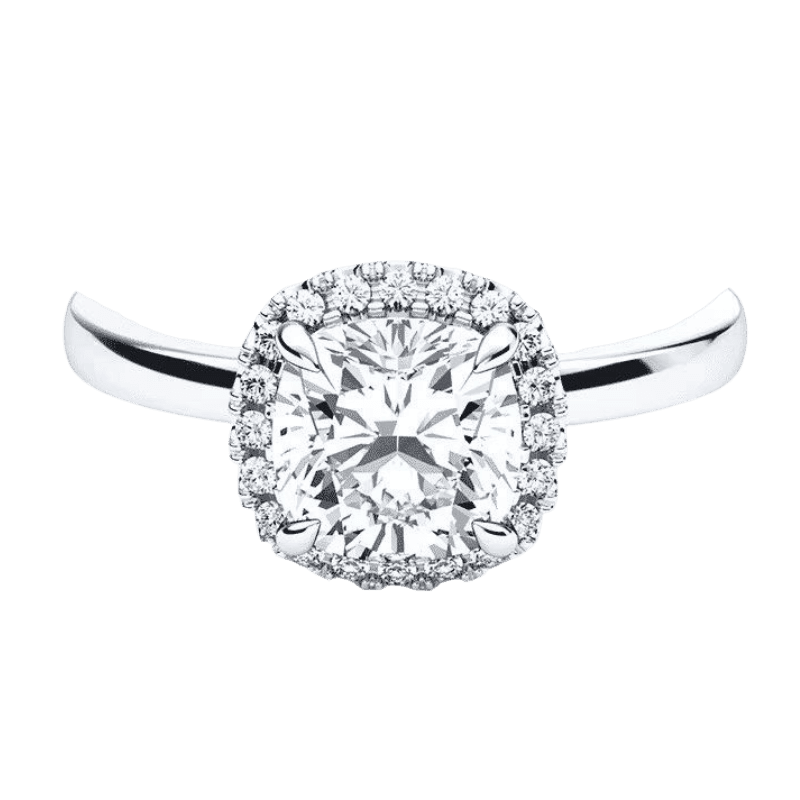
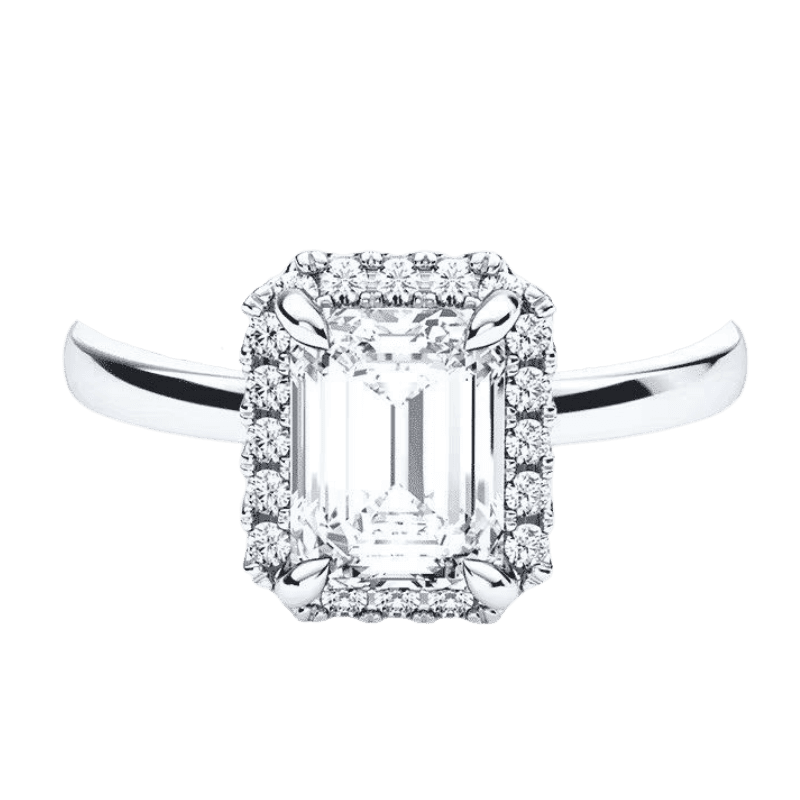
- Alexandrite rings are highly valued by people seeking originality – due to the impressive color change, the stone always looks alive, changing, and unique.
- Alexandrite earrings radiate subtle elegance and reveal themselves especially beautifully in evening light, emphasizing facial features and the gaze.
- Alexandrite pendants – a great gift for a woman born in June or for anyone fascinated by the magical transformation of gemstones.
Such jewelry attracts attention not only with its exceptional beauty but also tells a unique story of rarity, luxury, and extraordinary natural wonders, giving the piece deeper meaning and lasting value. Although all alexandrites exhibit color change, only the highest quality stones stand out with a bright, clear, and contrasting transition between colors.
Additionally, you can choose stones of various shapes and sizes or order a custom piece of jewelry created according to personal wishes – making the alexandrite an even more personal and exclusive accent of your style.
Caring for Alexandrite
Proper care for alexandrite is very important to preserve its beauty and value. Although alexandrite has good scratch resistance, it must be protected from strong impacts and mechanical stress that could damage the stone or its setting in jewelry. Careful wearing and proper storage will help alexandrite stay flawless for many years.
Cleaning Tips
It is recommended to clean alexandrite jewelry with a soft cloth and mild soapy water. Avoid harsh chemicals that could damage the stone or its color. After cleaning, dry the stone well so that no moisture remains.
Protection from Damage
To preserve the beauty and color intensity of alexandrite, it is important to protect it from direct sunlight and high heat, which can affect the stone’s appearance over time. It is also recommended to avoid strong impacts, drops, or sudden mechanical stress that could damage not only the stone itself but also its setting.
Careful wearing will help keep the alexandrite as bright and charming as the first day.
Storage Recommendations
It is best to store alexandrite jewelry separately from other gemstones to avoid scratches. It is recommended to use a soft pouch or a special box with padding that will protect the jewelry from friction and external factors. Proper care ensures that alexandrite will delight not only with its beauty for many years but also maintain its high value.
Frequently Asked Questions About Alexandrite
Is alexandrite expensive?
Yes, high-quality natural alexandrite is extremely rare, making it one of the most expensive gemstones in the world. Its price often exceeds that of even diamonds or sapphires.
The price depends on:
- the quality of the stone,
- size (carats),
- vividness and contrast of the color change,
- place of origin.
The highest quality alexandrites are valued very highly on the market – their price can range from several thousand to even tens of thousands of euros per carat, depending on the vividness of the color change, clarity, and origin.
How to distinguish natural alexandrite from synthetic?
Synthetic alexandrites are made in laboratories and also exhibit color change, but their chemical composition, structure, and inclusions differ from natural stones. The most reliable way to ensure authenticity is a certificate from a reputable gemological laboratory, such as GIA.
Is alexandrite suitable for everyday wear?
Yes, alexandrite is a fairly durable gemstone – its hardness is about 8.5 on the Mohs scale, so it is perfectly suitable for rings and other jewelry worn daily. However, like all valuable stones, it requires careful wearing to remain in flawless condition long-term. Nevertheless, like all gemstones, it is recommended to protect it from impacts and chemicals.
Alexandrite – Uniqueness That Inspires
If you are fascinated by the magic of alexandrite, we invite you to create a unique piece of jewelry together with fashiongold.lt – a ring, earrings, or a pendant in which this rare gemstone would reveal all its charm and character.
We are long-standing members of international diamond and gemstone exchanges, so we can select a high-quality alexandrite that meets your expectations and budget. Our experienced jewelers will ensure that every detail is thought out to the smallest detail – because when a stone is this exceptional, its framing must be flawless.
Conclusion
Alexandrite is a symbol of mystery, luxury, and exclusivity. It not only fascinates with its unique dance of colors but also tells a unique story of natural wonders and rarity. If you are looking for a gemstone that truly stands out – alexandrite can become a special accent of your style.