About the Emerald
The emerald is a beryl mineral characterized by a vivid green color provided by impurities of chromium and vanadium. This mineral is valued for its unique color, symbolic meaning, and exceptional properties. Since ancient times, emeralds have been considered symbols of love, wisdom, and peace of soul. They are often used in jewelry because their green color gives pieces a special charm. Like the ruby, the emerald is associated with vitality, harmony, and love due to its properties. It is also believed that the emerald’s energy helps a person achieve spiritual balance or security.
History of the Emerald
The emerald is considered one of the oldest and most valuable gemstones in the world, with a history spanning thousands of years. Due to its exceptional green color, which is extremely rare in nature, the emerald was already considered special and of sacred significance in ancient civilizations.
The color green has long symbolized life, rebirth, prosperity, and harmony, and the emerald’s shade is formed due to chromium and vanadium impurities in its crystal structure. Because of these unique properties, emeralds were widely used in various types of jewelry – from rings and earrings to pendants and royal regalia.
To this day, emeralds remain highly valued not only in jewelry and the fashion world but also as an asset with long-term value, often compared to investment gold due to their enduring value and limited natural resources.
The Significance of Emeralds in Antiquity
In ancient Egypt, emeralds were considered symbols of rebirth and eternal youth. Cleopatra was famous for her love of emeralds, and this stone was considered a sign of royal power. The Romans believed that emeralds provide peace and protect against evil.
Use of Emeralds in Modern Jewelry
Today, emeralds are valued not only for their history but also for their unique properties. They are used in luxury jewelry, and their exceptional color and rarity determine their high value.
Emerald – the Green Gemstone
On this page, you will find everything about the emerald – the green gemstone, its properties, history, and value. The best quality emeralds are usually found in Colombia, which is considered the main source of these gemstones in the world. High-quality emeralds are also found in Zambia, which is recognized as one of the most important sources of emeralds in the global market. In this article, you will learn about the emerald’s history, properties, evaluation criteria, and care. The information is useful for both jewelry enthusiasts and those looking for an exceptional gemstone. You will learn how to distinguish a natural emerald from a synthetic one, how to properly care for this stone, and why the emerald is considered one of the most valuable gemstones in the world.

Properties of the Emerald
The emerald belongs to the beryl group of minerals, and its green shades are formed by chromium and vanadium impurities. The value of a natural, real emerald is mostly determined by its rich and intense color, which is considered the main quality criterion for this gemstone.
Emeralds are evaluated according to quality criteria such as origin, color, and clarity. If the color is too light, the stone is no longer considered a true emerald. Therefore, emeralds are considered one of the most desired green gemstones in the world.
The emerald is considered a symbol of love, loyalty, and hope. The hardness of an emerald is 7.5–8 on the Mohs scale – this means it is harder than many other gemstones, but less resistant than ruby or sapphire. For this reason, the emerald remains quite fragile and requires special care, as it can easily chip or scratch if handled carelessly. The Mohs scale is a scale for measuring mineral hardness from 1 to 10, where diamond is the hardest (10).
The emerald promotes inner peace, helps build mutual trust, and strengthens emotional bonds, allowing for the maintenance of harmony in the family and close relationships. The emerald is also associated with spiritual growth and the strengthening of intuition.
Emerald Color

The color of an emerald can vary from light green to rich or even dark green. The most valuable are considered to be bright, richly colored stones where the color is distributed evenly throughout the crystal. It is the intensity of the color that is the main factor determining the price of an emerald – the deeper and more vivid the shade, the more valuable the gemstone.
Emerald Shades

Emerald shades can vary from light green to bluish-green, sometimes having a subtle yellowish tone. The highest value is held by stones characterized by a rich, pure, and evenly distributed green color. Such emeralds look extremely luxurious in jewelry – especially when combined with gold or diamonds, for example, by choosing an elegant emerald ring, which becomes an exceptional and timeless accent.
Origin of Emeralds
The largest and most famous source of emeralds is Colombia. Some of the most beautiful and expensive stones are found here. Emeralds are also mined in the following countries:
- Zambia
- Brazil
- Afghanistan
- Russia
- Nigeria
Emeralds found in Zambia are valued and recognized in the global market, similar to Colombian emeralds.
The origin determines the color, clarity, and value of the emerald stone.
Emerald Shapes
Emeralds are used in jewelry in various shapes. The most popular shapes are:
- Oval shape
- Emerald cut
- Pear shape
- Heart shape
Oval and rectangular cuts are most often chosen because they best emphasize the color of the emerald.
Quality Assessment of Emeralds
The quality of emeralds is evaluated according to the 4C principle:
- Color – the most important criterion determining the stone’s value.
- Clarity – emeralds often have inclusions that affect the quality of the stone.
- Cut – the shape and faceting that emphasize the beauty of the stone.
- Carat weight – measured in carats.
The 4C principle is an international standard for gemstone evaluation.
Inclusions and Impurities
Inclusions (or internal features) are natural traces of minerals or gases inside the stone. Almost all emeralds have inclusions, which are considered the “signature of emeralds.” Clearer stones are very rare and therefore highly valued.
Clarity of Emeralds
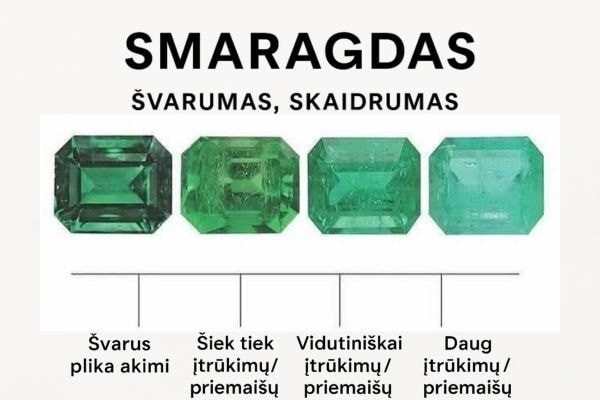
- Most emeralds have natural internal features (inclusions).
- Clearer stones are rarer and more expensive.
- Inclusions can be visible to the naked eye and affect the value of the stone.
Emerald Certificates

When buying an emerald, it is extremely important to ensure its quality and authenticity. This is helped by certificates issued by independent gemological institutes, which confirm the stone’s origin, naturalness, and quality characteristics. The most reliable and commonly used certificates are:
| Certificate | Features | Verification link |
|---|---|---|
| GIA | Globally recognized, indicates stone origin, color, clarity, treatment | GIA emerald certificate verification |
| IGI | International certificate, detailed data about the stone | IGI emerald certificate verification |
| HRD | European standard, confirms naturalness and quality | HRD emerald certificate verification |
The certificate confirms that the emerald is natural and provides information about its origin, color, clarity, and possible treatments. Such a document gives the buyer a sense of transparency and security, and when investing in gemstones – it becomes an important guarantee ensuring the stone’s authenticity and long-term value.
Emerald Price
The price of an emerald depends on color, clarity, and origin. Colombian emeralds are highly valued, and their value can reach tens of thousands of euros.
To more accurately assess the price of a gemstone, it is important to consider its size, shape, color intensity, and clarity. The sum of these criteria determines not only the final value but also how the stone will look in jewelry and what aesthetic and investment value it will have in the long term. You can conveniently check emerald prices online – after choosing the desired shape, shade, and clarity level, you will immediately see the current price in our online exchange, click here.
Natural Emerald
Natural emeralds are highly valued both for their beauty and their exceptional origin. Although synthetic or laboratory-created substitutes are cheaper, they do not have the same symbolic, emotional, and investment value. It is the natural stones that remain the most desirable due to their authenticity, unique properties, and long-term value.
The Uniqueness of the Emerald
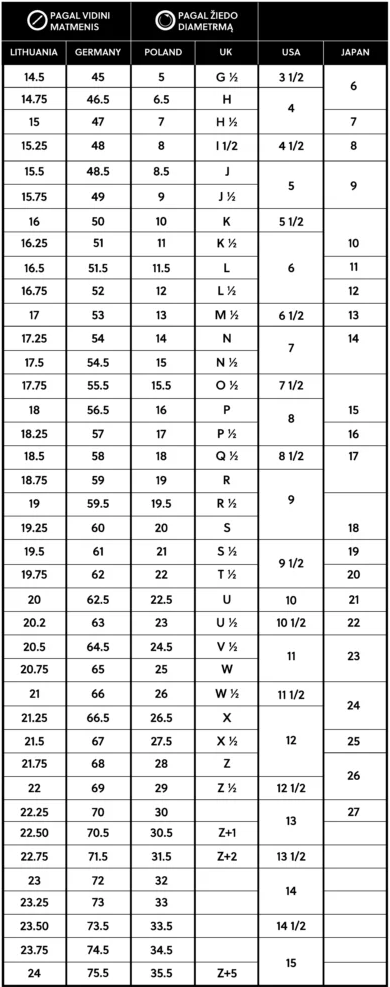
The emerald is one of the most exceptional gemstones, standing out for its rich, vivid color and unique properties. Its unique green shade and symbolic meaning give this stone a special place in jewelry, making it a symbol not only of luxury but also of long-lasting value. Its main distinction is its rich green color, which can vary from soft light green shades to deep, dark green tones, giving the stone a unique charm, depth, and elegance. If you are interested in emerald rings, it is useful to find out your exact ring size online before purchasing.
Emeralds are very fragile, so their processing requires exceptional craftsmanship. For this reason, the emerald’s shape and faceting are often special, in order to preserve the gemstone’s beauty. Every emerald is unique and inimitable.
Emerald – the Stone of the Soul
The emerald is the stone of the soul. Since ancient times, it has been believed that the emerald helps to find inner harmony, provides peace, and strengthens spiritual balance. This gemstone is considered a protective talisman that guards against negative energy, inspires love and loyalty, and promotes intuition and inner clarity.
The emerald is a gemstone valued since antiquity not only for its beauty but also for its spiritual and healing properties. It is believed to strengthen inner harmony, promote emotional balance, and help foster strong, harmonious family ties among loved ones.
Emerald by Date of Birth
The emerald is considered the talisman for those born in May. People celebrating their birthday this month are traditionally gifted an emerald, which emphasizes the stone’s symbolic, cultural, and spiritual significance. It is an ideal and meaningful gift for those born at the end of spring who associate their lives with growth, harmony, and renewal.
Emeralds According to the Horoscope
The emerald is perfectly suited for these zodiac sign groups:
- Taurus
- Gemini
- Cancer
- Leo
- Virgo
- Libra
- Sagittarius
- Aquarius
According to the zodiac, the emerald strengthens energy and provides inner balance.
Emeralds for Wedding Anniversaries
Emeralds are gifted on these occasions:
- 20th wedding anniversary
- 35th wedding anniversary
- 55th wedding anniversary
It is a special symbol marking strong and long-lasting love.
Emerald Rings
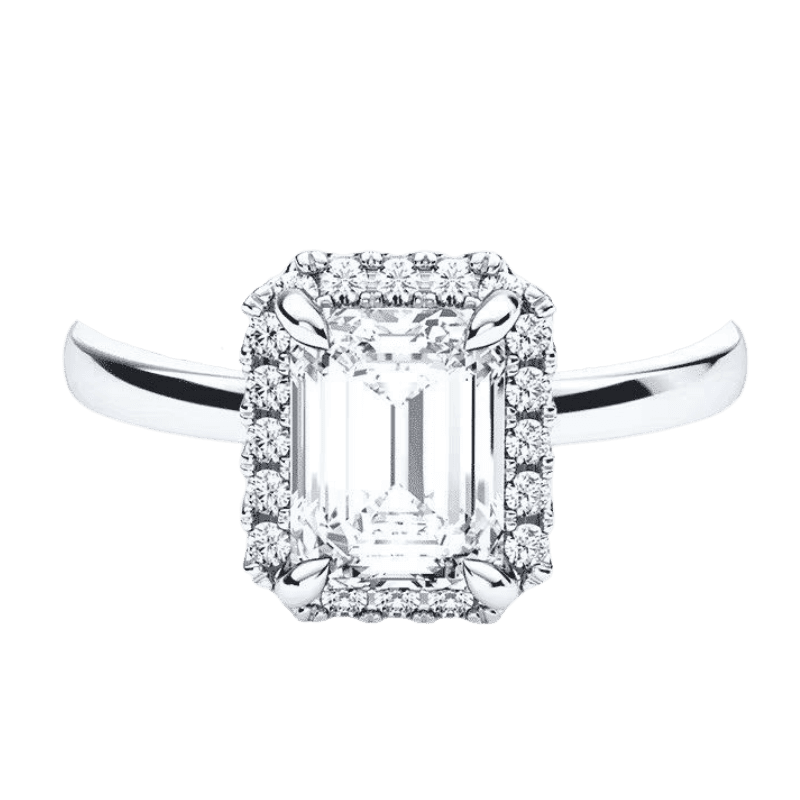
One of the most impressive pieces of jewelry with a gemstone is an emerald ring. Combined with diamonds and precious gold, such a ring becomes a symbol of elegance, loyalty, and love, subtly highlighting the depth of feelings and enduring value. Emerald rings have had deep symbolic meaning since ancient times, and their history and significance hide many interesting facts worth discovering when choosing an exceptional and meaningful piece of jewelry.
Emerald Earrings
Emerald and diamond earrings are an exceptional choice for both everyday style and special occasions. They subtly provide elegance, and the rich green color of the emerald combined with the sparkle of diamonds emphasizes the jewelry’s luxury, individuality, and enduring value.
Jewelry with Emeralds
Emeralds are perfect not only for rings but also for earrings, bracelets, and pendants. Due to their rich color and symbolic meaning, they are one of the most popular choices in luxury jewelry, providing pieces with uniqueness, elegance, and timeless value.
Gemstone Rings
Emeralds are often combined with other gemstones:
- Sapphires
- Rubies
- Diamonds
Such gemstone rings look extremely luxurious.
Famous Emerald Jewelry
Emeralds have been the choice of royal courts and celebrities for centuries. These gemstones were worn by Cleopatra, European queens, and noblewomen, and today emeralds adorn the most prestigious jewelry collections and creations of the most famous jewelry houses worldwide.
Care for the Emerald
The emerald is a gemstone that requires special care because it is sensitive to mechanical impact and environmental factors. Due to natural inclusions, emeralds are more fragile than many other gemstones, so they must be protected from impacts, sudden temperature changes, and aggressive chemicals.
FAQ about Emeralds
How to distinguish a natural emerald from a synthetic one?
A natural emerald usually has internal features (inclusions) visible to the naked eye or with a loupe. Synthetic emeralds are often more uniform, without natural inclusions. The most reliable way is to contact a gemologist or check the stone with a certificate.
How to care for an emerald?
The emerald should be cleaned with mild soapy water and a soft brush, avoiding strong chemicals, protecting it from impacts, and storing it separately from other jewelry.
What is the symbolic meaning of an emerald?
The emerald symbolizes love, loyalty, hope, and spiritual peace. It is considered a stone of the soul, strengthens family ties, and helps to find inner harmony.
What is the difference between emerald color shades?
Emeralds can range from light green to dark green, and can also have a bluish or yellowish tint. The most valuable are rich, pure green stones.
Is an emerald suitable for daily wear?
The emerald is fragile, so for daily wear, it is recommended to choose jewelry with a protective stone setting and avoid strong impacts.
What does an emerald certificate mean?
A certificate confirms the stone’s naturalness, origin, color, clarity, and whether the stone has been treated. This is important to ensure the stone’s value and authenticity.
How to clean an emerald?
When cleaning an emerald, it is recommended to use mild soapy water and a soft brush that will not damage the stone’s surface. Aggressive chemical cleaners and ultrasonic devices must be avoided as they can damage the emerald’s structure and reduce its brilliance. Due to natural inclusions, emeralds are often additionally treated with oil or resins to improve their clarity and appearance.
How to store an emerald?
Emerald clarity – it is important to protect the gemstone from impacts and sudden temperature changes. The emerald should be stored separately from other gemstones to avoid scratches. Since the emerald is one of the most valued and cherished gemstones, but also quite fragile, it requires special attention and proper care. Responsible behavior and correct care help preserve the emerald’s beauty, brilliance, and value for many years.