💎 Tanzanite – your sky-blue story from the heart of Tanzania, the only place on Earth.
Tanzanite properties (facts)
- Mineral: Zoisite
- Chemical composition: Ca₂Al₃(SiO₄)₃(OH)
- Color: Violet blue, bluish violet or violetish purple
- Refractive index: 1.691 – 1.700
- Double refraction (birefringence): 0.008 – 0.013
- Density (specific gravity): 3.35
- Hardness on the Mohs scale: 6 – 7
Tanzanite is a rare variety of zoisite, famous for its unique play of colors and exceptional elegance.
What is tanzanite?
Tanzanite is an extremely rare, clear blue gemstone considered one of the youngest discoveries in the world of jewelry. This stone was found only in 1967 at the foot of Mount Kilimanjaro in Tanzania. Tanzanite is a variety of the mineral zoisite, but it became world-famous specifically for its unique color and brilliance. This gemstone quickly became one of the most popular gemstones, and its demand is constantly growing.
Origin and history of tanzanite
Tanzanite was discovered by a member of the Masai tribe, who was the first to notice the violet-blue crystals characteristic of the land. Initially, it was thought to be sapphire, but later gemological studies revealed it to be a new mineral – a transparent gemstone of various colors belonging to the zoisite group.
Tiffany & Co. gave the stone the name tanzanite – honoring the country where it was found – and introduced it to the global market. Since then, tanzanite has been considered one of the most desirable colored gemstones.
Color and optical properties

Tanzanite stands out with an extraordinary variety of colors – it is a clear blue gemstone whose shades range from violet-blue to blue-violet. Its special feature is pleochroism, meaning the stone changes color depending on the viewing angle.
Some tanzanites appear deep blue in daylight, while in artificial lighting, they take on a rich violet tone. Due to this property, this stone is compared to sapphire or emerald, as every tanzanite is unique.
How to recognize natural tanzanite
Natural tanzanite features a playful display of colors and a soft vitreous luster. If you turn it at different angles, you will notice several shades – from blue to reddish-violet. Synthetic tanzanite usually appears uniform in tone and lacks this color transition.
The best stones are extremely clear gemstones, free of visible inclusions, with a deep violet-blue hue.
Processing and price of tanzanite
Since most tanzanites naturally have a yellowish-brown tone, they are often heat-treated – heated to 500 °C to acquire a more intense blue or violet shade. This process does not change the physical properties of the stone but reveals its true beauty.
The price of tanzanite depends on color saturation, clarity, size, and cut quality. Deep blue, eye-clean stones are valued very highly and can cost as much as some diamonds or rubies.
Tanzanite in jewelry

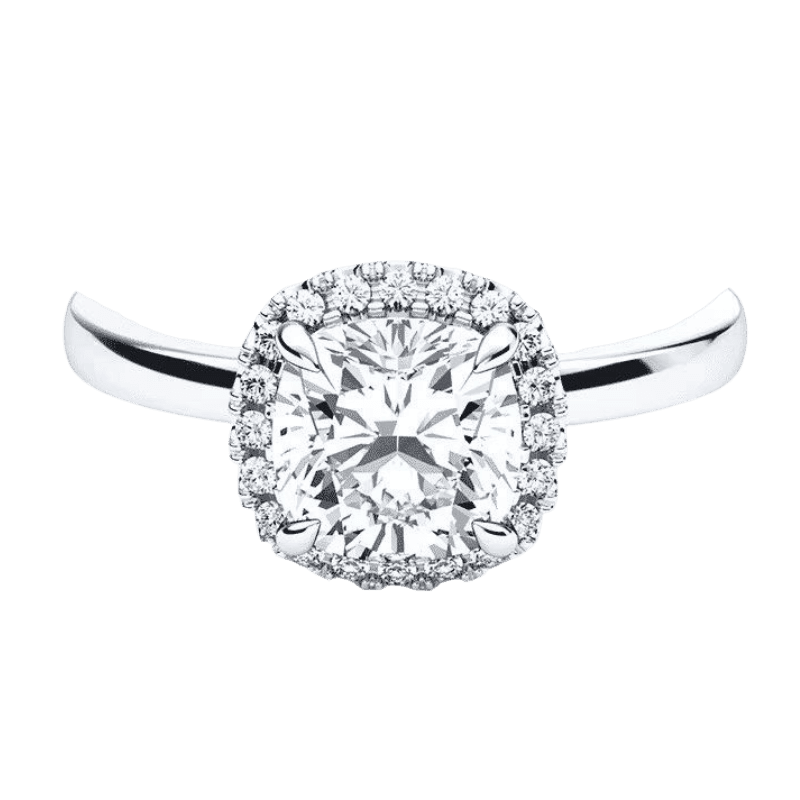
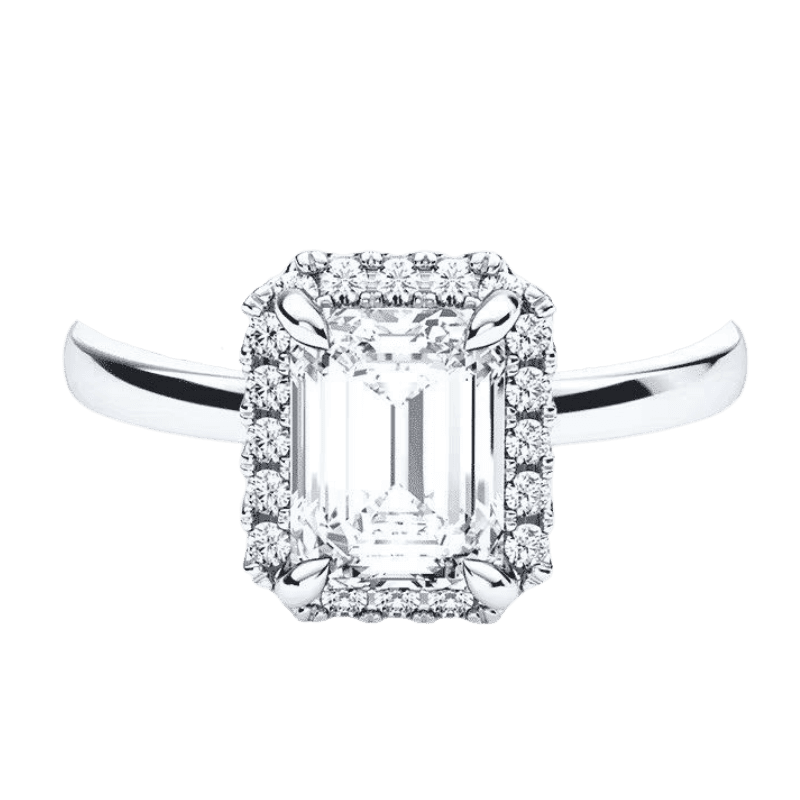
Due to its shimmering blue color, tanzanite is perfect for engagement rings, wedding rings, diamond earrings, or diamond pendant designs.
Jewelers love this stone for its exceptional light dispersion and elegance. Tanzanite is often paired with diamonds for contrast – a clear white diamond highlights the blueness of the tanzanite even more. At the FashionGold.lt jewelry house, this gemstone takes on a new meaning – here, exclusive rings with gemstones are created to become family heirlooms.
Tanzanite as a talisman
This stone is considered a strong talisman, symbolizing peace, spiritual growth, and love energy. Talismans according to the zodiac sign show that tanzanite is particularly suitable for Aquarius, Libra, and Pisces.
It is believed to help create harmony in relationships, strengthen intuition, and assist in making the right decisions. Therefore, tanzanite as a stone according to the zodiac is often chosen by people seeking inner peace or a new beginning.
Birthstone by date of birth
Tanzanite is the birthstone for those born in December. Along with blue topaz and turquoise, it is considered a symbol of winter birthdays. Furthermore, this gemstone is associated with the 24th wedding anniversary – thus, it is often given as a sign of love and loyalty.
How to care for tanzanite
Since tanzanite is relatively soft (6–7 on the Mohs scale), it must be handled with care. It is worth avoiding strong impacts and ultrasonic cleaning. The best way is to clean it with a soft cloth and store it separately from harder gemstones like diamonds.
Properly cared for, it will remain sparkling and shine like the first day for many years.
Tanzanite – mysterious blue elegance
Tanzanite is not just a blue gemstone, but a story of nature’s uniqueness. It is one of those stones that symbolize spiritual development, love, and subtle beauty.
This gemstone fascinates not only because of its play of colors but also because its origin is so rare – the only place in the world where it is found is Tanzania.
By choosing tanzanite at the FashionGold.lt jewelry house, you can be sure that your piece of jewelry will become an exceptional symbol – as unique as your story.

About gemstones
Tanzanite is one of the most valued gemstones, combining luxury, spirituality, and exclusivity. Its price depends on color saturation and clarity, but its true value lies not only in money – but in the feelings this stone evokes.
Gemstones are highly valued for their beauty, but also because each has its own story and meaning. They are not just jewelry, but stories of nature’s wonders, people’s dreams, and values. By choosing a gemstone, one can not only adorn themselves but also express their personality, feelings, or even life philosophy.
It is known about gemstones that they can be used not only for jewelry but also as talismans or symbols, depending on culture and tradition. Since ancient times, gemstones have been used as signs of power, wealth, and status, and their choice often depended on personal or family traditions.
Tanzanite and other gemstones
While emeralds are valued for their green hue and sapphires for their blue, tanzanite stands out because it combines several colors in one crystal. It is a clear gemstone of various colors that can appear blue, violet, or even reddish-light blue.
Other gemstones such as topaz, citrine, pearls, or ruby are also popular, but tanzanite enchants with its glow and uniqueness – after all, it is mined in only one place in the world.
In jewelry, not only the variety of tanzanite’s colors is valued, but also the color diversity, symbolism, and historical meanings of other exceptional gemstones – these stones are often associated with spiritual or emotional connections, such as symbols of wisdom, harmony, or love.
Blue gemstones
Blue gemstones are among the most valued and desired gemstones in the world. Due to their exceptional color, they are not only popular in jewelry but also symbolize peace, spirituality, and trust. It is known about gemstones that they are valued not only for their beauty but also for their rarity and variety of colors, and blue stones stand out with a special charm.