Peridot: Properties, Meaning, and Uses
Introduction
In this article, we will discuss peridot in detail – an exceptional green gemstone belonging to the olivine mineral group. You will learn about the primary properties of peridot, its history and symbolism, how this stone is used in jewelry, its price, and how to distinguish a real peridot from fakes. The content is intended for everyone interested in gemstones, those looking for a unique piece of jewelry, or those who want to know more about the meaning and value of peridot. This topic is relevant to both jewelry enthusiasts and those seeking a talisman or a gift with meaning. Readers are often interested in various gemstones, but peridot specifically stands out due to its unique properties.
What is Peridot?
Peridotas – it is a transparent, bright green gemstone belonging to the olivine mineral group. The olivine group is a family of silicate minerals characterized by a greenish color and similar chemical composition (mostly magnesium and iron). Minerals of the olivine group are also gemstones – they exhibit a greenish color and are valued for their uniqueness. Peridot is one of the rarest and most valuable minerals in the olivine group, distinguished by its special brilliance and color.

Peridot – The Sun Stone that Attracts Light and Luck
Peridot is a gemstone belonging to the olivine mineral group that fascinates with its bright green color, transparency, and brilliance. Its main properties include: a glowing green color, vitreous luster, medium hardness, and rarity. Due to these qualities, peridot is often called the “sun stone” because its warm color and ability to reflect light resemble solar energy. Peridots are valued for their unique color and radiance.
This stone is valued not only for its beauty but also for its symbolic meaning – it is believed to provide peace, protect against evil, and attract luck. Peridot can be used as a talisman or a gift, emphasizing its ability to attract success and protect against negative energies. Peridot is often used in various pieces of jewelry, such as earrings with English locks, giving them elegance and exclusivity.
Many legends are told about peridot, highlighting its symbolic meaning in various cultures.
History and Mysterious Origin of Peridot
Peridot was known as far back as ancient Egypt, where it was called the “Stone of Ra” – a symbol of the sun god. Egyptians believed that this gemstone protected against evil and symbolized wisdom and peace. The Romans called it the “evening emerald” because its green hue would glow especially brightly by candlelight.
Peridot has been valued for thousands of years in various cultures, emphasizing its longevity and historical significance.
Moving on from the history of peridot, we will next discuss what this gemstone looks like and its color nuances. If you are interested in other gemstones, for example, diamond pendants, it is worth looking into their features and selection options.
Colors and Appearance

Although peridot always remains a green stone, its shades can vary – from light yellowish-green to deep olive color. Depending on the iron content in the crystal, peridots can be found in various shades. Peridot can also have gold or brown nuances, which is why it is considered one of the many-colored transparent gemstones.
Properties of Peridot
Physical Properties
Peridot is characterized by the following main physical properties:
- Color: from light green to olive or golden, depending on the iron content
- Luster: vitreous
- Hardness: 6.5–7 on the Mohs scale (the Mohs scale is a mineral hardness scale from 1 to 10, where 10 is diamond; peridot is of medium hardness)
- Chemical Composition: magnesium and iron (olivine group)
- Origin: Egypt, Pakistan, Myanmar, USA (Arizona), China
- Rarity: one of the rarest variants of the olivine group
Symbolic Meaning
- Talisman: birthstone for August and the zodiac sign Leo
- Symbolizes: light, wisdom, inner peace, love, luck, and protection from negative energy
Use in Jewelry
Due to its hardness and transparency, peridot is particularly favored in jewelry. It is used in:
- Engagement and wedding rings
- Earrings, pendants, bracelets
- Gemstone collections
Each peridot has its own unique shade and glow, making jewelry with this stone unique.
Where This Gemstone is Found
Peridots form deep within the Earth’s mantle and are brought to the surface by volcanic eruptions. Today, its most famous deposits are in:
- Egypt
- Pakistan
- Myanmar
- USA (Arizona)
- China
However, there are peridots that arrived with meteorites, which is why some are called “star gems.” This only strengthens their magical reputation. They are valued not only by jewelers but also by collectors for their unique origin.
Meaning and Symbolism of Peridot
Since ancient times, this gemstone has been considered a talisman of luck. It is believed to protect against bad thoughts, strengthen intuition, and bring love. According to tradition, peridot is the birthstone for August, making it a talisman based on the birth date for those born in this month.
According to the zodiac, peridot is particularly suitable for Leo and Virgo, as it helps maintain emotional balance and strengthens inner light. So, if you are looking for a talisman according to your zodiac sign, this stone would be an ideal choice.
Peridot in Jewelry

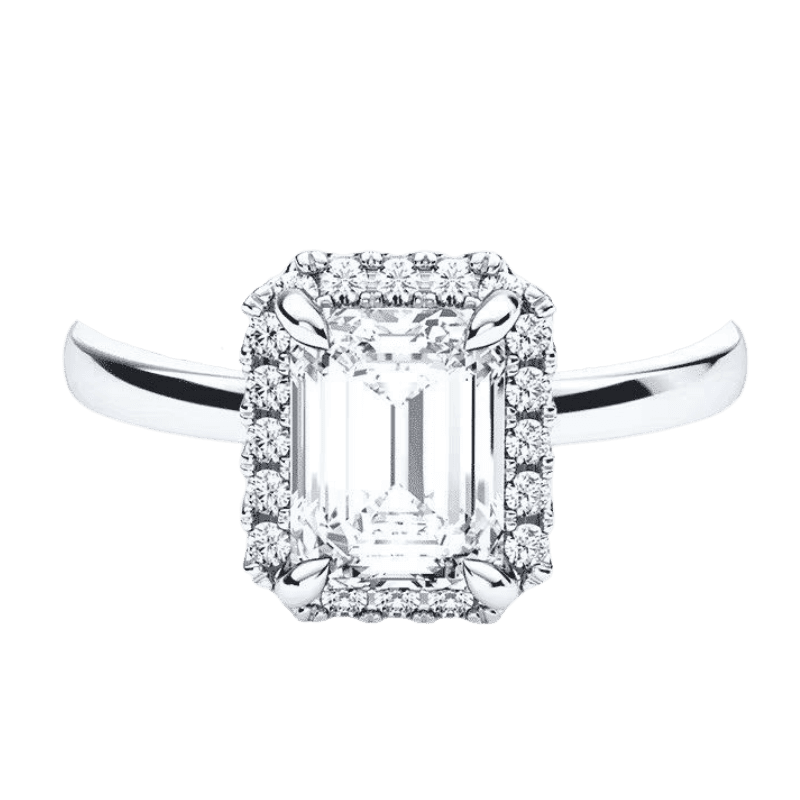
Due to its transparency and glowing green color, peridot is highly valued in engagement rings and wedding rings. It pairs perfectly with diamonds or gold, which is why diamond rings with peridot are often created – a subtle harmony of light and contrast.
Equally popular are rings, diamond earrings, and diamond pendants where green peridot becomes the main accent. As a result, this stone is often used in gold or white gold jewelry, which highlights its natural brilliance.
Peridot Price, Acquisition, and Authenticity Identification
Price
The price of peridot depends on several factors:
- Color intensity: the richer and brighter the green color, the more expensive the stone.
- Clarity: the fewer inclusions, the higher the value.
- Carat weight: larger stones are rarer and more expensive.
- Origin: certain origins (e.g., peridots from Pakistan or Myanmar) are more highly valued.
The average price of peridot ranges from 30 to 400 euros per carat, depending on quality.
Acquisition Options
Peridot can be purchased:
- In specialized jewelry stores
- In online stores
- At auctions or from collectors
When choosing a peridot, it is worth asking for a certificate confirming the stone’s authenticity.
How to Distinguish Real Peridot from Fakes
- Color: natural peridot has a warm, glowing green color without a blue tint.
- Inclusions: real peridots often have small inclusions visible under a magnifying glass.
- Double Refraction: looking through the stone, you can notice a double reflection of the facets (characteristic of real peridot).
- Hardness: peridot is harder than glass but softer than diamond (6.5–7 on the Mohs scale).
- Certificate: reliable sellers always provide authenticity documents for the stone.
Comparison of Peridot and Other Gemstones
Gemstones are valued for their exceptional color, hardness, and symbolic meaning. They are important in jewelry because each gemstone has a unique history, symbolism, and value, and their choice often depends on personal or cultural preferences.
| Gemstone | Color | Hardness (Mohs scale) | Symbolism | Rarity |
|---|---|---|---|---|
| Peridot | Green | 6.5–7 | Light, love, luck | Rare |
| Emerald | Rich green | 7.5–8 | Rebirth, love | Very rare |
| Rubies | Red | 9 | Passion, energy | Very rare |
| Sapphire | Blue | 9 | Wisdom, durability | Rare |
| Opal | Multicolored | 5.5–6.5 | Creativity, hope | Rare |
| Pearl | White, cream | 2.5–4.5 | Purity, harmony | Common |
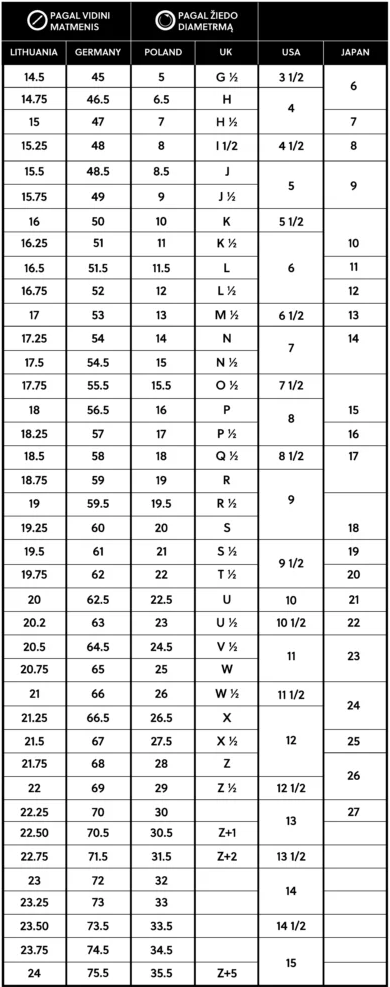
Emeralds are among the rarest green gemstones, and ruby is one of the most expensive red gemstones. Pearls are unique gemstones because they form organically, and gemstones are chosen by both jewelers and collectors. When choosing a ring, it is important to choose the right size – a ring size gauge can be helpful for this.
Peridot stands out because it always has a green hue and lacks blue color variations. It pairs beautifully with diamonds and gold, which is why it is often included in designs where the play of light is important.
How to Care for Peridot
To keep this gemstone radiant, it is recommended to clean it with a soft cloth and avoid heat and aggressive chemicals. Peridot is not as hard as a diamond, so it is better to store it separately from other stones.
Peridot – A Talisman that Attracts Light
Peridot is not only a beautiful green stone but also a talisman that promotes success and love. It radiates solar energy, making it perfect for people seeking positivity and a new beginning.
If you are looking for jewelry that symbolizes light and good energy, choose peridot – a stone that warms the heart and attracts luck.

Peridot is a transparent green gemstone whose light and symbolism have fascinated for millennia. It not only adorns engagement rings, earrings, or pendants but also becomes a personal talisman protecting against negativity and strengthening bonds of love.
This gemstone embodies the summer sun, light, and wisdom, which is why peridot remains one of the most valued gemstones in modern jewelry – a glowing symbol for those who want their jewelry to have meaning.