Diamonds – A Symbol of Irresistible Luxury
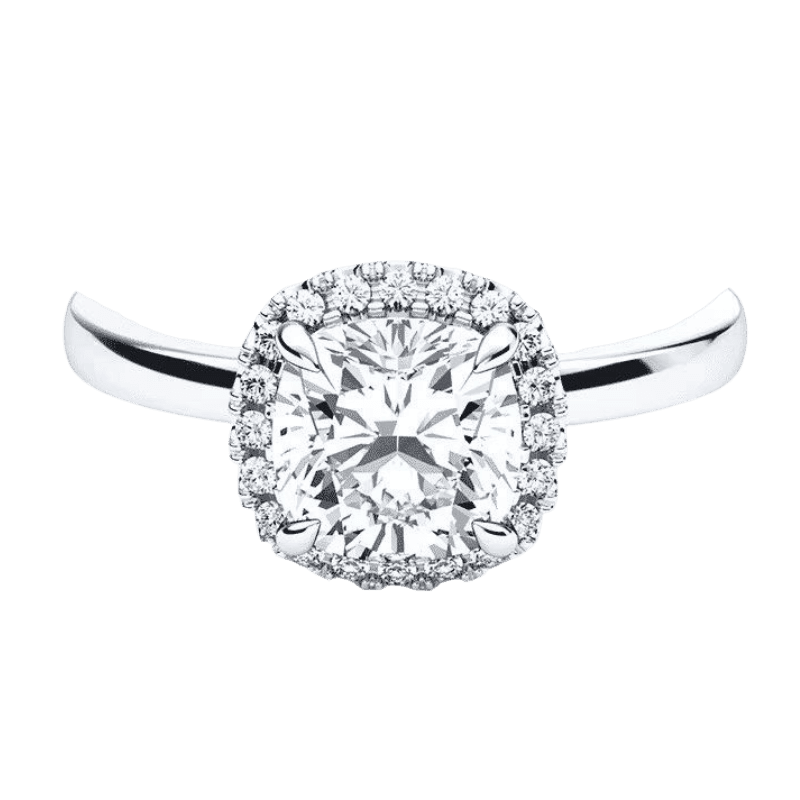
The name of the diamond comes from the ancient Greek word adamas, meaning “invincible.” It is one of the oldest and most valued materials in the world. A brilliant is a diamond that has been processed in an exceptional way: its 57 or 58 facets allow light to reflect so that the stone looks alive, burning from within. A brilliant is a round-shaped diamond with a specific cut that reflects light maximally, providing special brilliance and sparkle. This glow, called “fire,” gives the diamond an exceptional charm, which has long been associated with eternal love and perfection.
Diamonds and brilliants have become synonyms for elegance and luxury, symbolizing success, endurance, and happiness. The exclusivity of brilliants lies in their round shape and special cut, which allows for exceptional light play and gives them a special charm. Today, they are inseparable from modern marriage traditions – diamond wedding rings have become a sign of the promise of love, valuable not only aesthetically but also emotionally.
History of Diamonds
The diamond is one of the oldest and most valued gemstones in the world, with a history spanning thousands of years. Every diamond is unique – from its formation deep beneath the Earth’s crust to today, when it adorns jewelry or becomes an investment object. In ancient times, diamonds were used not only as jewelry but also as a valuable means of exchange, symbolizing wealth and power. Also, diamonds were considered magical and sacred values – they were associated with deities, spiritual forces, and even considered a symbol of eternity. The history of diamonds is very diverse and rich: from the rulers of ancient India to modern royal families, every diamond has its own unique path that has influenced not only the art of jewelry but also all of humanity.
How Diamonds Form
Diamonds form approximately 150–200 km below the Earth’s crust, where temperatures reach over 1000 °C and pressure reaches hundreds of thousands of atmospheres. These conditions force carbon atoms to bond into an extremely strong crystalline structure, making the diamond the hardest known mineral in nature.
Some diamonds are more than 3 billion years old, so they are considered a wonder of nature in the jewelry world. For this reason, a diamond is not just a stone – it is a unique fragment of history that can be worn on a finger. Diamonds come in various shapes and sizes, depending on their formation conditions.
Properties of a Diamond
The diamond is an exceptional gemstone that has fascinated people with its unique properties since ancient times. Every diamond is not only unique but also possesses its own character – from color, clarity, and cut to carat weight. Diamonds are known for their exceptional hardness – on the Mohs scale, diamond is the hardest mineral, rated at 10 points. However, although a diamond is very hard, it can also be brittle, so it is important to take proper care of it and protect it from strong impacts.
Every diamond is unique not only in its shape but also in its color – they can be completely colorless, subtly yellowish, bright blue, pink, or even green. Also, diamonds can be of various shapes: round, oval, emerald, princess, and many others, so every diamond can reveal a different style and character. The diamond is a gemstone that, due to its properties, remains valuable and desirable worldwide.
What is a Brilliant?
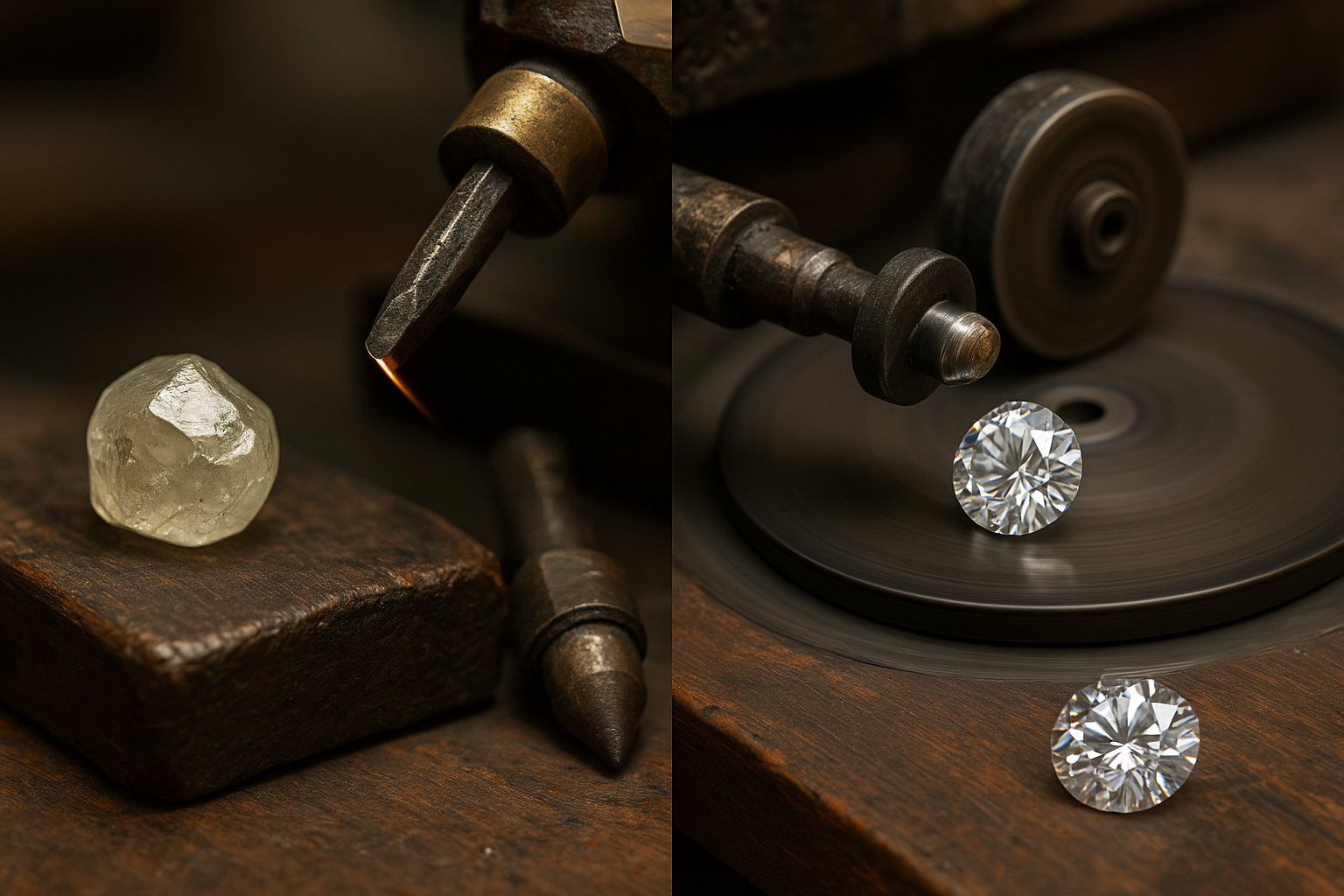
A brilliant is a perfectly polished diamond. Its purpose is to maximally reflect and scatter light. The brilliant’s shape, symmetry, and proportions directly affect how the stone shines. The round “round brilliant cut” is the most valued because it best highlights the glow. However, many other cuts exist – princess, emerald, oval, pear, marquise, which give the stone a different character. The differences between diamonds and brilliants depend on the cut and light reflection properties.
Every brilliant is evaluated according to strict criteria: Color, Clarity, Carat weight, and Cut. These four elements, also called the “4Cs,” determine the stone’s value and beauty. It is important to emphasize that a brilliant is a diamond with a specific cut and facets.
Diamond or Brilliant – What’s the Difference?
A diamond is a natural, unrefined stone. A brilliant is an already polished, light-sparkling diamond. Thus, all brilliants are diamonds, but not all diamonds are brilliants. A common question arises: is the diamond real? This can be determined by its properties or a certificate.
Diamonds can be polished in various ways, but only the “brilliant cut” provides that exceptional sparkle characteristic only of a brilliant. Therefore, the word “brilliant” is often used when talking about the final piece touched by jeweler mastery.
Types of Diamonds
Diamonds are classified into various types depending on their properties and appearance. Every diamond is evaluated by its color, clarity, cut, and carat weight. Diamonds can be completely transparent, have subtle shades, or be vividly colored – from pale yellow to extremely rare pink, blue, or green. Also, every diamond can have inclusions or be completely clean, and their cut determines how the stone reflects light. Diamonds are also classified by origin: they can be natural, formed in nature over millions of years, or laboratory-grown, created by human hands but possessing the same properties. Diamond types are very diverse, so every diamond has its own unique character and charm.
Diamond Certificates – A Guarantee of Quality
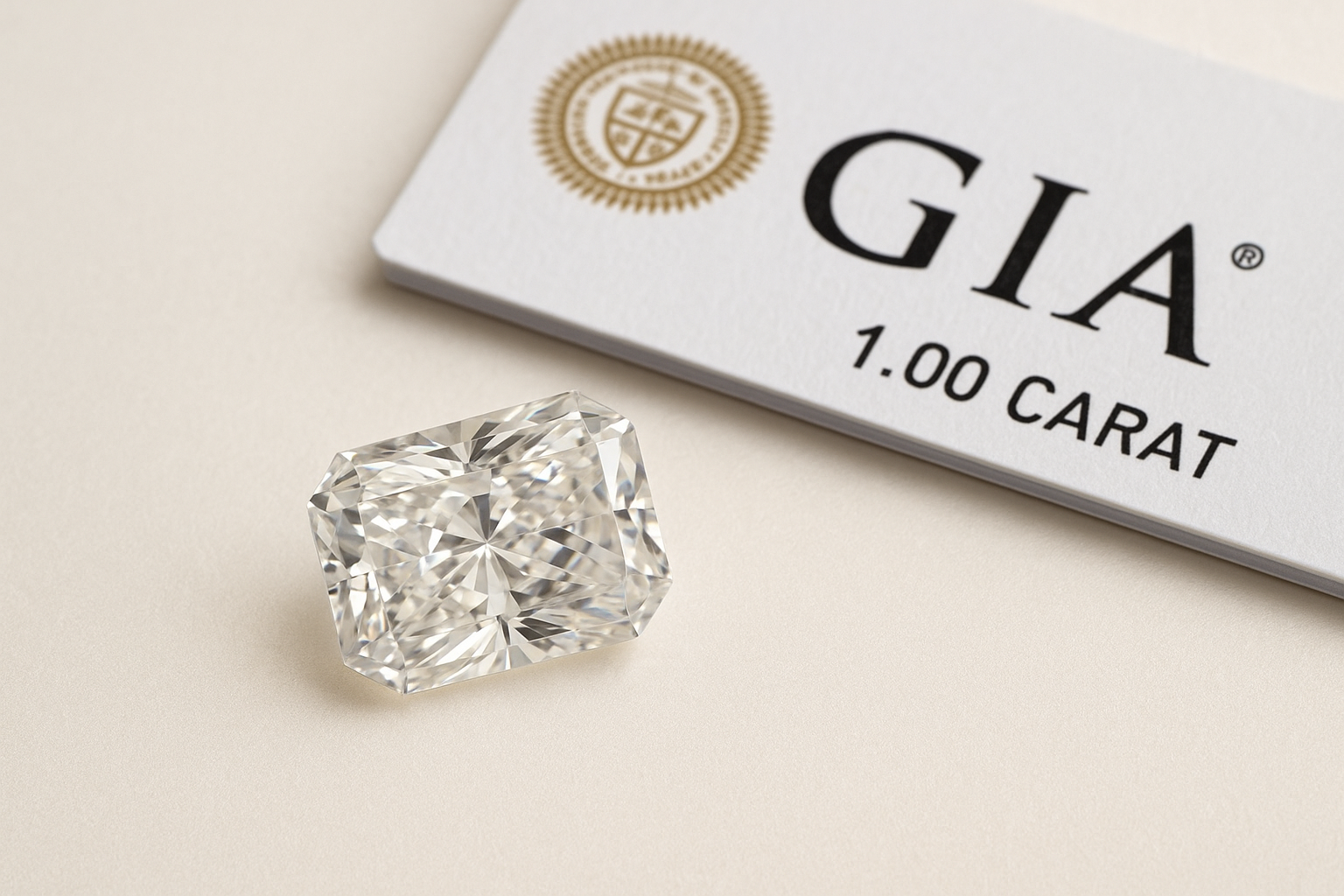
Every valuable diamond must have a certificate. It is issued by world-recognized laboratories such as GIA (Gemological Institute of America), IGI (International Gemological Institute), HRD Antwerp, or AGS. It is important that diamonds are certified according to international standards.
The certificate provides information about the diamond’s origin, color, clarity, cut, carats, and proportions. It is like the stone’s passport, allowing for accurate determination of its value and authenticity. Furthermore, this document protects the buyer from counterfeit or incorrectly valued diamonds. It is always recommended to check the certificate before purchasing a diamond.
Diamond Color – From Complete Transparency to the Rarest Shades
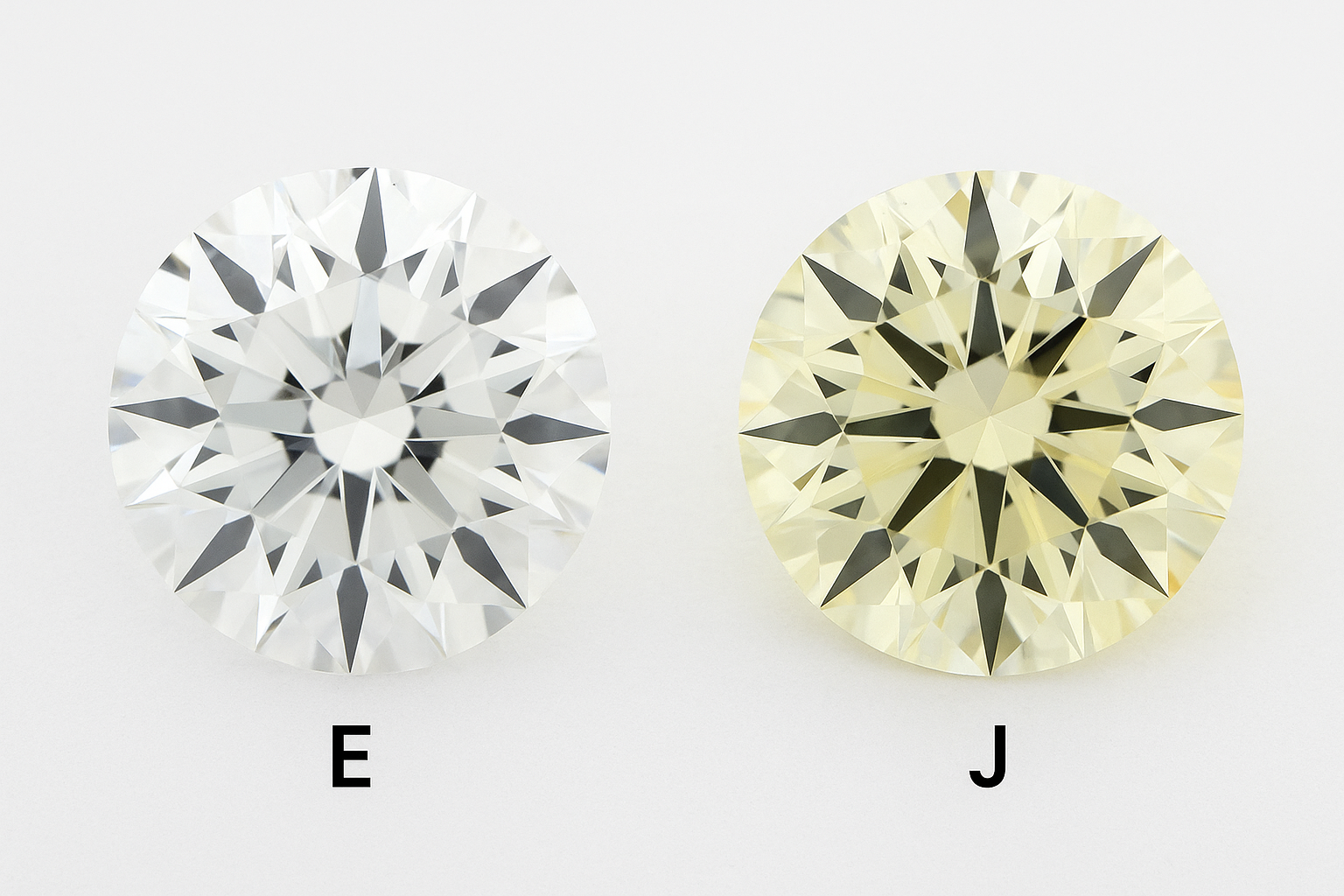
Although most people imagine a diamond as colorless, they can actually have various shades – from soft yellow to pink, blue, or even black.
Diamond color is evaluated on a scale from D (completely colorless) to Z (yellow or brown). The less color, the more expensive the stone. The value of a diamond depends on the intensity and rarity of the color – that is why some colored diamonds, called fancy color diamonds (e.g., blue, pink, green, or yellow), are extremely rare and can cost dozens of times more than classic colorless ones.
Diamond Clarity
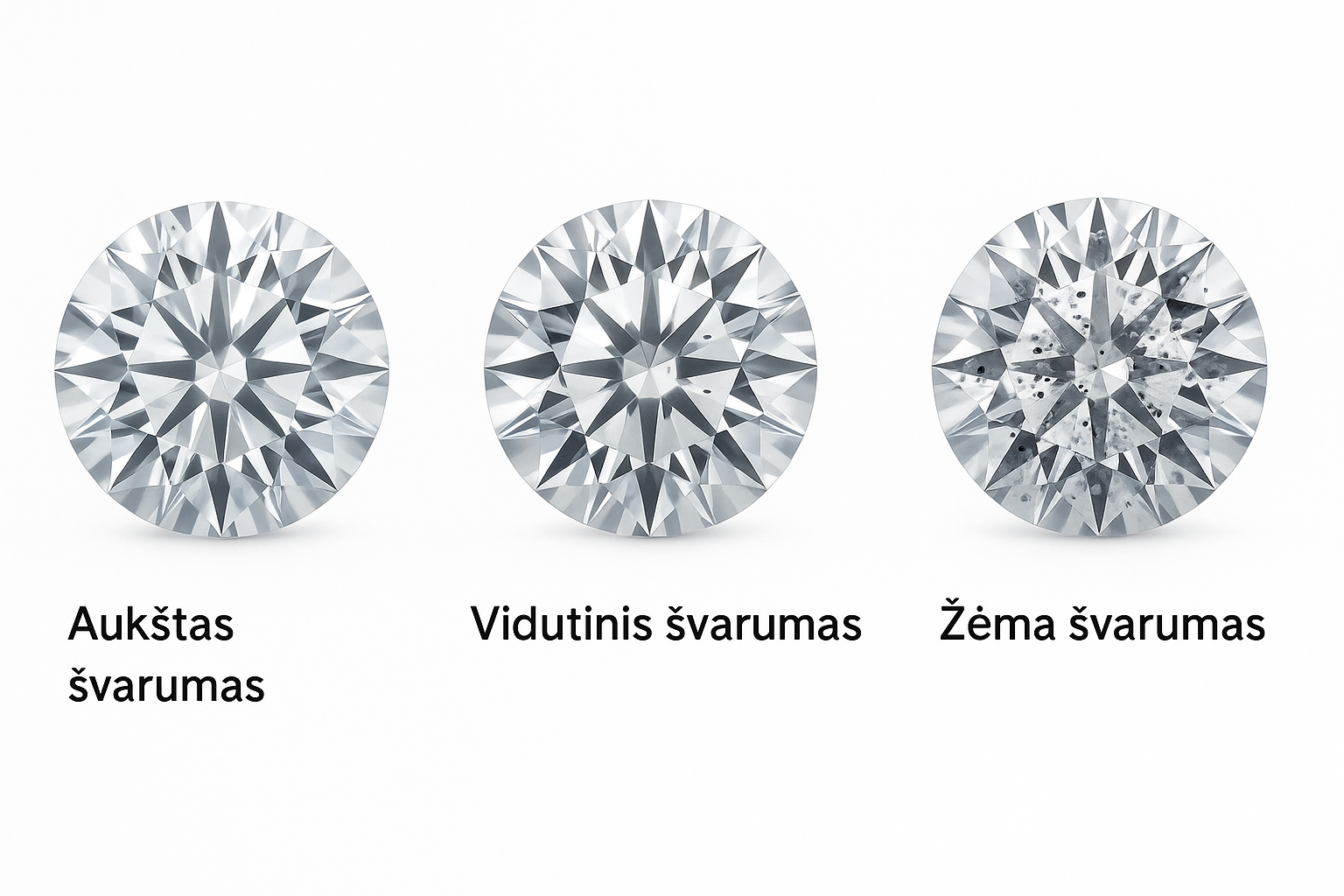
Every diamond has its own “fingerprint” – tiny inclusions or micro-cracks formed by the forces of nature. Diamond clarity is evaluated according to their quantity and visibility: from FL (Flawless – without defects) to I3 (Inclusions – with visible inclusions).
Clarity is especially important because the diamond’s sparkle and transparency depend on it. The fewer inclusions a diamond has, the more valuable it is. Generally, stones from VVS1 to VS2 are considered the best choice because their inclusions are almost invisible to the naked eye, but the price remains affordable.
Diamond Shapes
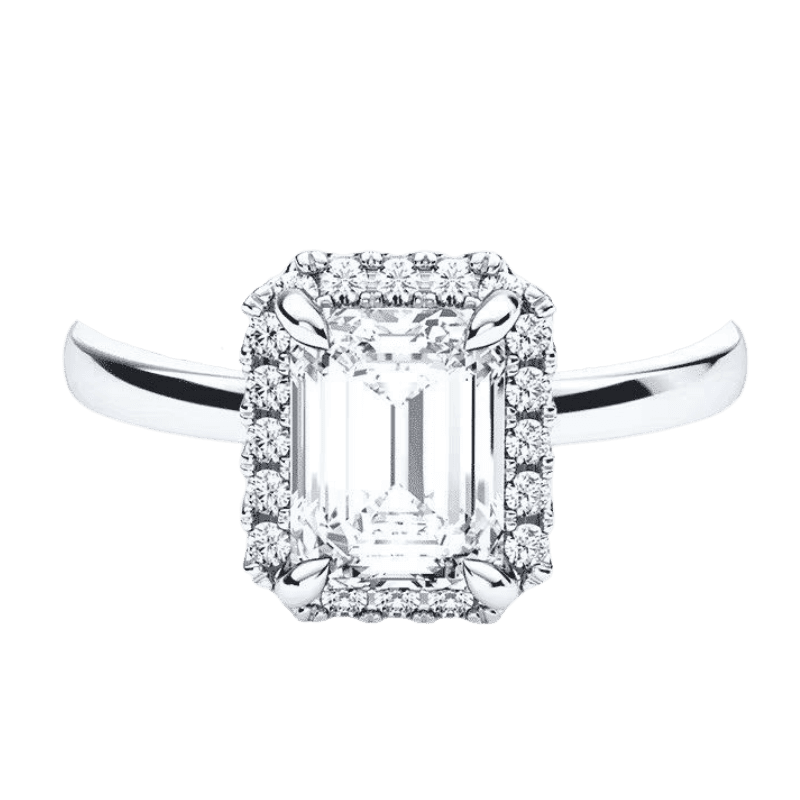
Jewelers offer diamonds of various shapes – round, oval, pear, emerald, princess, radiant, marquise, cushion, heart.
Shape has a major impact not only on the style of the ring but also on the visual size of the diamond. For example, an oval-shaped stone looks larger than a round one, even if both weigh the same number of carats. Additionally, other gemstone shape variants exist that give jewelry uniqueness.
Natural and Lab-Grown Diamonds
In recent years, lab-grown diamonds (Lab Grown Diamonds) have been gaining more attention. They have the same chemical composition and crystalline structure as natural diamonds but are grown under controlled conditions in laboratories.
Their advantages:
- 70 % lower price than natural ones
- no connection to “blood diamonds”
- identical shine, hardness, and durability.
Lab-grown diamonds are an excellent choice if sustainability or price is important to you.
Both GIA and IGI laboratories certify lab-grown diamonds as strictly as natural ones, making them an increasingly popular, sustainable choice.
Uses of Diamonds
The diamond is not only a symbol of luxury but also an extremely valuable material in various fields. Every diamond is valued for its exceptional hardness and resistance, so diamonds are used not only in jewelry but also in industry. They can be used as abrasive stones, drilling tools, or even as a material in the electronics industry where extreme precision and durability are required. Diamonds are very hard, so they are perfectly suited for drilling hard rock or precision cutting. Also, diamonds can even be used in medicine or scientific research. The use of diamonds is very diverse – from elegant jewelry to advanced technologies, every diamond reveals its uniqueness and value.
Diamond Price
The price of diamonds depends on many factors, so every diamond is evaluated individually. Not only color but also clarity, cut, and carat weight determine how much a specific stone will cost. Also, diamonds are valued according to their shape and rarity – the rarer or more unique the diamond, the more expensive it is. The price of diamonds can vary greatly depending on their quality, color, shape, and even whether they are certified. Certified diamonds are valued more because their quality and authenticity are confirmed by independent experts.
Diamonds are not only luxury jewelry but also a reliable investment, as their value often only increases over time. Every diamond can be a source of not only beauty but also financial value, so it is important to choose responsibly and consider all aspects that determine the price.
How to Care for Diamonds?
A diamond is extremely strong, but it needs care to stay shining. It is recommended to regularly clean jewelry with warm water and mild soap using a soft brush. Contact with cleaners containing chlorine or other chemicals should be avoided. To keep the diamond sparkling, it is important to follow care recommendations.
Jewelers also recommend checking the ring settings at least once a year to ensure the diamond remains safely in its place.
Diamond Investments
The diamond is considered one of the most reliable forms of investment. Every diamond is unique, so its value often only increases over time. Diamonds are valued for their longevity, rarity, and stable market demand. They can be used as a long-term investment because their value does not depend on short-term economic fluctuations. Every diamond can be passed down from generation to generation, maintaining not only material but also emotional value. Diamond investments are very popular among those looking for a safe and reliable way to preserve or increase their wealth, as diamonds are not only beautiful but also practical investment objects.
Why Choose a Diamond?
A diamond is not just beauty but also a long-term investment. It remains valuable even after many years and is sometimes passed down from generation to generation as a family heirloom.
The diamond is a stone that never goes out of style. Whether it adorns an engagement ring or an elegant bracelet, its brilliance always remains just as strong. It is important to choose a high-quality diamond of reliable origin so that the investment is safe and retains its value.
Diamonds for Everyone
Diamonds are perfectly suitable not only for women. Men’s diamond rings are becoming increasingly popular – a subtle stone provides solidity, strength, and confidence. It is a detail that stands out and emphasizes individual style.
The World of Diamonds
The world of diamonds is very diverse and rich, covering both luxury and technology fields. Every diamond is unique, so they can be used as jewelry, investments, or even as material in industry. Diamonds are considered gemstones because of their rarity, exceptional properties, and constant value growth. They can be used not only in jewelry but also in advanced technologies, so the world of diamonds is constantly expanding and surprising with new discoveries. Every diamond is a symbol of not only beauty but also innovation, which has had and continues to have a great impact on all of humanity.
A diamond is more than a stone. It is a symbol of eternity, love, endurance, and perfection. Whether you choose a natural or a laboratory-grown brilliant – it will always remain not just a piece of jewelry but also a meaningful symbol of life.
Diamonds remind us that true beauty lies not in temporality, but in eternity.