Gold Color: White Gold, Yellow Gold, Rose Gold, or Black Gold?
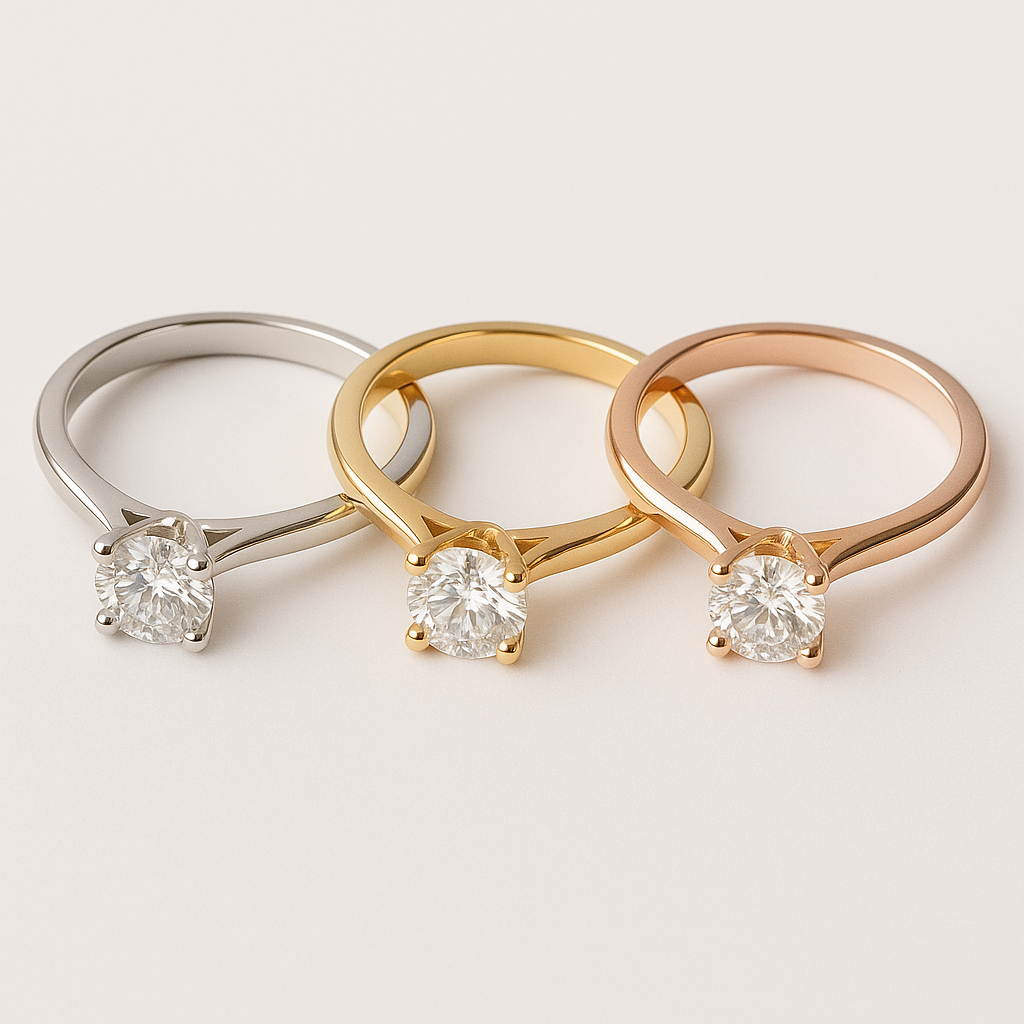
Gold is one of the oldest and most expensive metals in the world, widely used in jewelry, especially in the production of gold items – gold jewelry can come in various forms and purposes, such as rings, chains, bracelets, or earrings. However, few know that the color of gold is not just yellow. In fact, the variety of gold colors and their shades depends on the composition of gold and other metals from which the alloys are made. Various gold shades are offered on the market today, determined by the metal alloys used and technological solutions that give jewelry different colors. In this article, we will discuss the main gold colors, their properties, and the influence of rhodium – it is this special metal that changes not only the color but also the quality of the piece itself.
Why is pure gold not used in jewelry?
Pure gold (24 carats) is very soft, so it is not suitable for everyday jewelry. For this reason, jewelry is usually made from gold alloys to produce a strong and durable product. Gold is usually mixed with other metals such as copper, silver, palladium, or even platinum, and the amount of these metals in the alloy determines the properties of the final product, such as color, strength, and value. This process creates alloys that feature both higher strength and various colors, consisting of gold and other metals depending on the desired properties.
The Classic of Yellow Gold
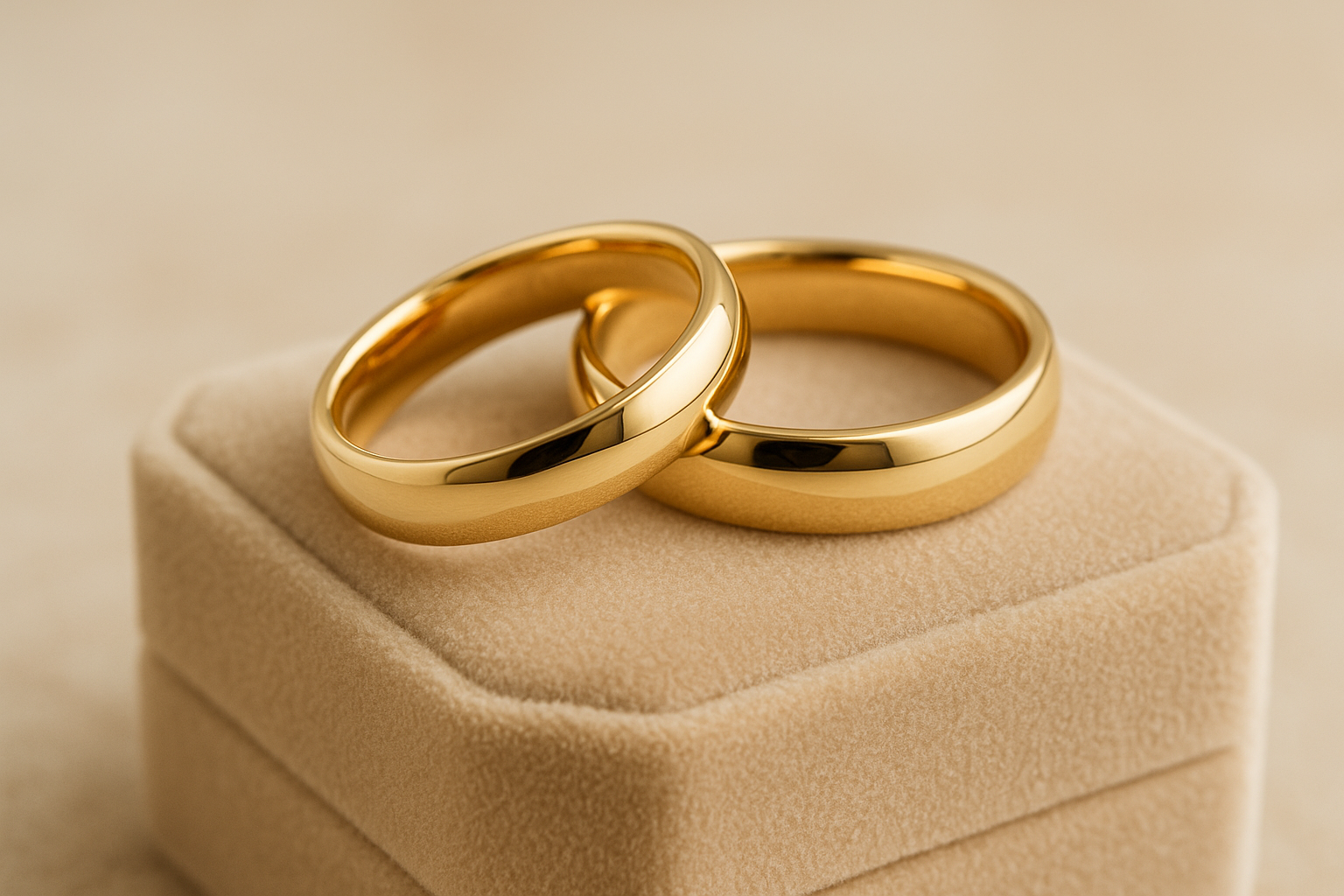
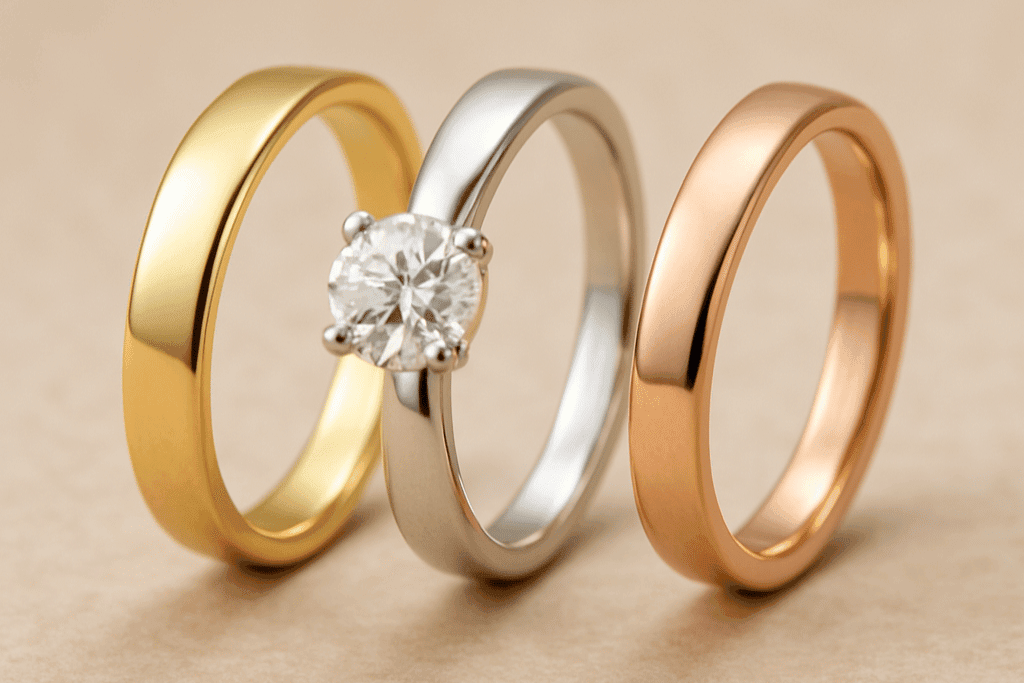
The classic color is yellow – it is most often associated with traditional gold. However, even yellow gold is not completely pure – it is made by mixing pure gold with silver and a small amount of copper to achieve a warm, natural shade. Yellow gold items stand out with their classic design and are perfect for those who value tradition and warmth. Gold colors can vary from light yellow to rich, depending on the alloy composition. Historically, yellow gold was produced using simpler alloys to achieve the desired color and strength.
Rose Gold – Warmth and Uniqueness
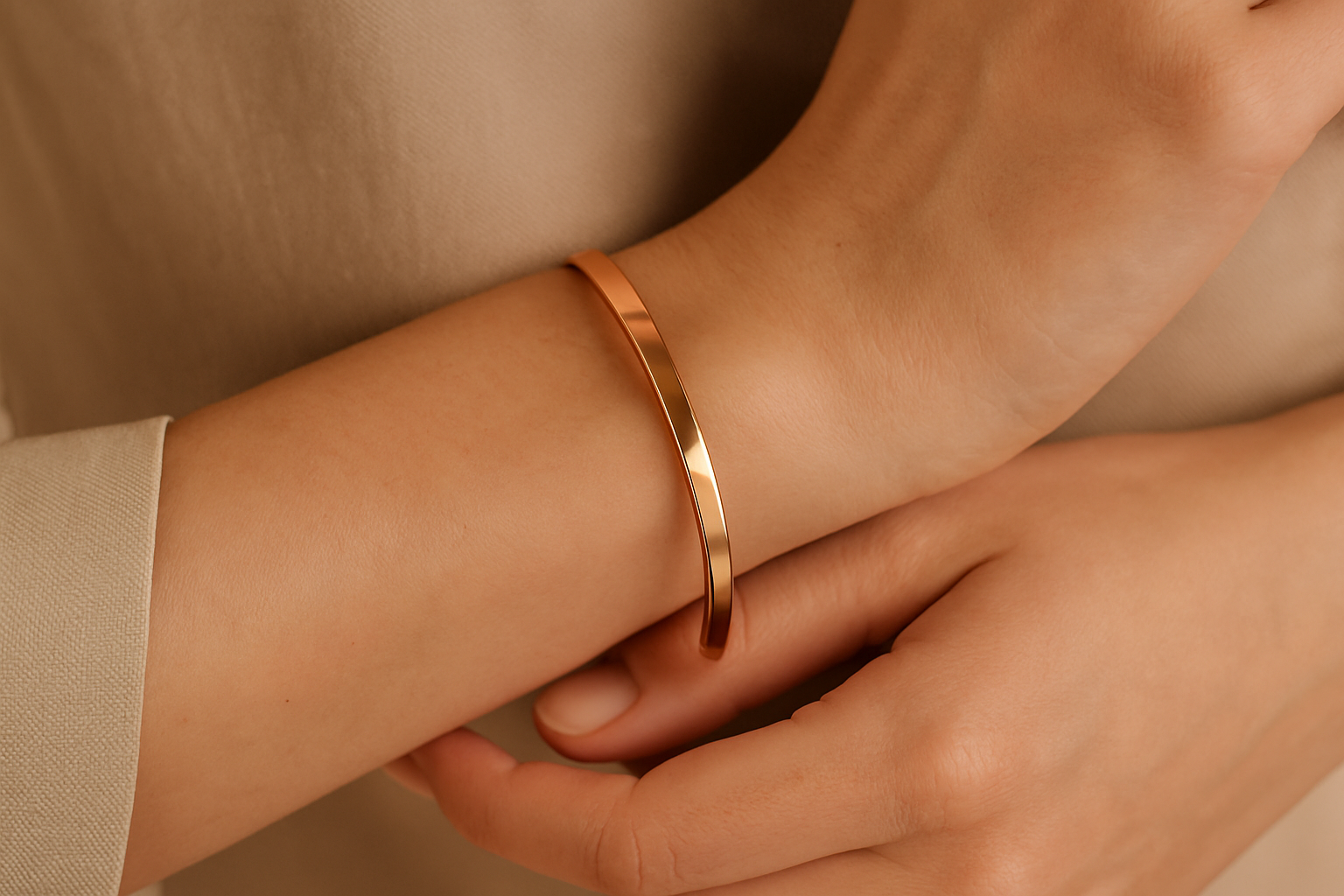
Rose gold gets its color from an increased copper content. The copper content in this alloy determines not only the reddish tint but also increases the strength of the alloy. Rose gold jewelry is often valued for its warmth, romantic appearance, and originality. This gold color depends on the composition of the alloy, so various rose gold colors can be found that blend perfectly with both light and dark skin and are becoming increasingly popular among modern jewelry lovers.
White Gold – A Sign of Modernity
White gold is obtained by mixing gold and white metals such as palladium, nickel, or silver. These alloys are mixtures of gold and other metals and are the basis for white gold. They have a grayish-white color, so the pieces are usually coated with a layer of rhodium – this not only enhances the color but also increases wear resistance.
The Significance of Rhodium in Jewelry
Rhodium is a platinum group metal characterized by exceptional hardness, shine, and corrosion resistance. In manufactured pieces, it is mostly used as a surface coating, especially on natural white gold. It is rhodium that gives white gold its bright whiteness and shine, making such items look exceptional. Jewelry made with rhodium features higher resistance and durability. Rhodium-plated items look brighter, and diamonds paired with such metal acquire even greater brilliance. In addition, rhodium helps reduce the likelihood of allergic reactions as it is hypoallergenic. However, rhodium in jewelry can be of various colors, giving jewelry a unique look and individuality. There are several most popular rhodium colors.
Gold Plating and Rhodium Colors in Jewelry
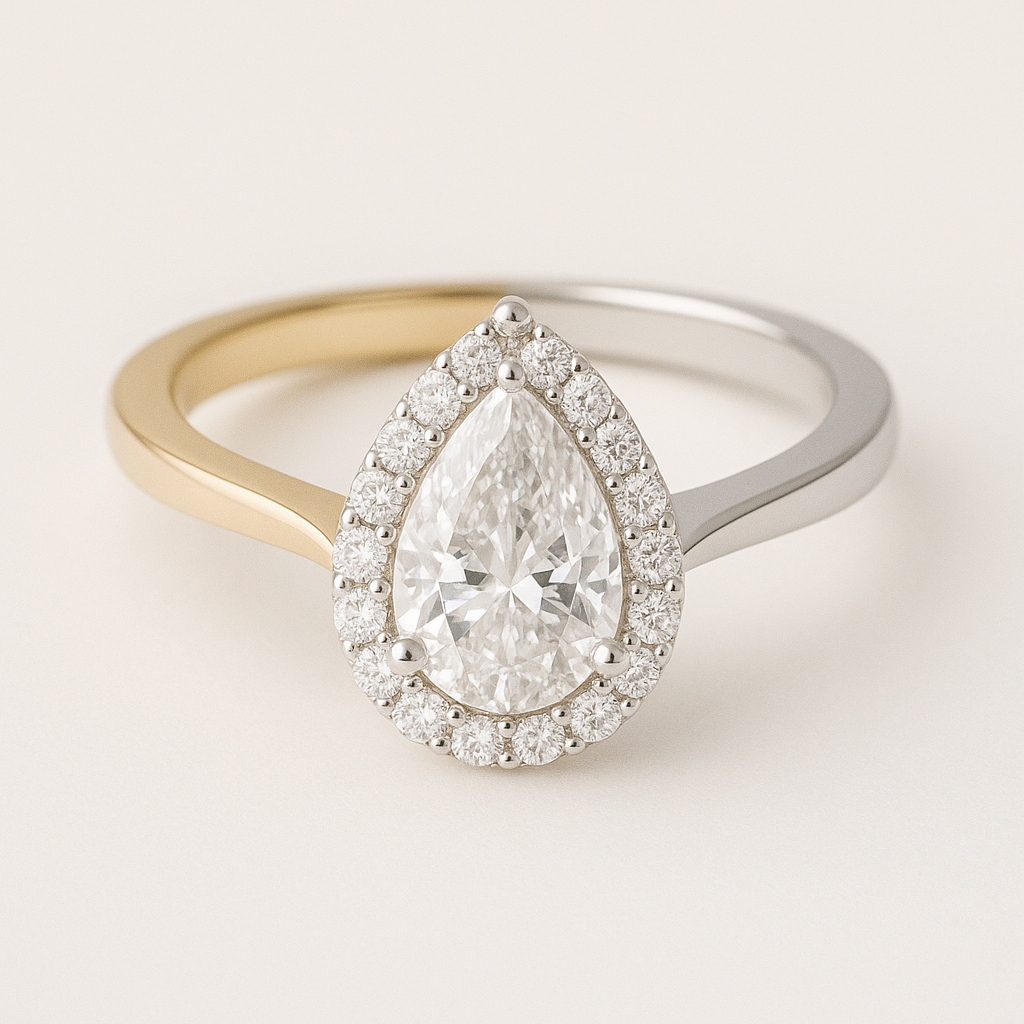
White gold or white rhodium – natural white gold usually has a soft champagne tint, so rhodium plating is applied to achieve bright whiteness and shine. White rhodium is most commonly used, which gives the metal a clean, luxurious tone and makes the surface more resistant to daily wear.
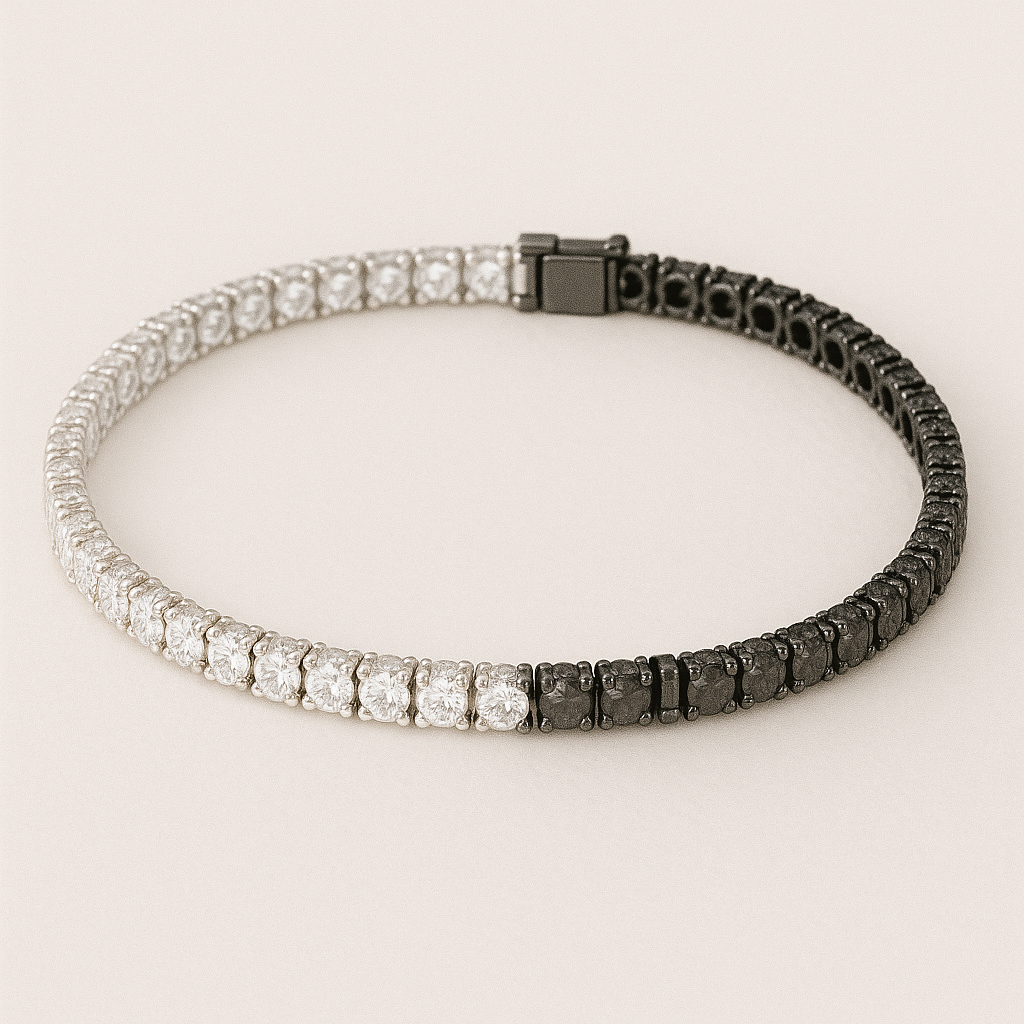
Black gold or black rhodium – chosen for a modern, contrasting effect – it looks especially beautiful when combined with diamonds or colored gemstones.
Pink gold or rose rhodium – provides a soft pinkish tint and becomes a subtle accent highlighting the uniqueness of the jewelry.
There are also rarer but very interesting rhodium plating alternatives. Purple rhodium provides a luxurious purple shade, while green rhodium stands out with an unexpected character and is perfect for those who want an exceptional style. Some jewelers also experiment with other rhodium shades that allow for even more personalization of jewelry. In this way, rhodium in jewelry becomes not only a protective coating but also a creative tool that helps create a unique image.
Which Metals Determine Gold Colors?
- Silver: mixing gold and silver provides brightness and slightly lightens the color
- Copper: the combination of gold and copper gives a reddish or red tint
- Palladium: an alloy of gold and palladium – a light, expensive metal that provides whiteness
- Platinum: a mixture of gold and platinum is often used in high-end products and also increases strength
Thanks to various alloys of gold and other metals, a wide spectrum of gold jewelry colors can be achieved – from yellow to white, pink, or even greenish. The temperature at which these metals are melted also affects their physical properties and final color.
What is a Hallmark and What Does It Mean?
A hallmark (fineness) is a marking of metal purity, usually indicating how much pure gold is in the alloy. For example, a 585 hallmark means that 58.5% of the alloy is gold. Gold purity is often measured in carats, so to convert carats to percentages, you need to divide the number of carats by 24 and multiply by 100. The higher the hallmark, the more gold, but at the same time, the piece becomes softer. The color also changes – the more gold, the richer and warmer the tone. To check the authenticity of gold, it is important to find the hallmark on the piece of jewelry, which is often stamped in small, hard-to-see places. Historically, hallmarking and labeling have been important evidence of quality and authenticity in jewelry.
Which Gold is Best Suited with Diamonds?
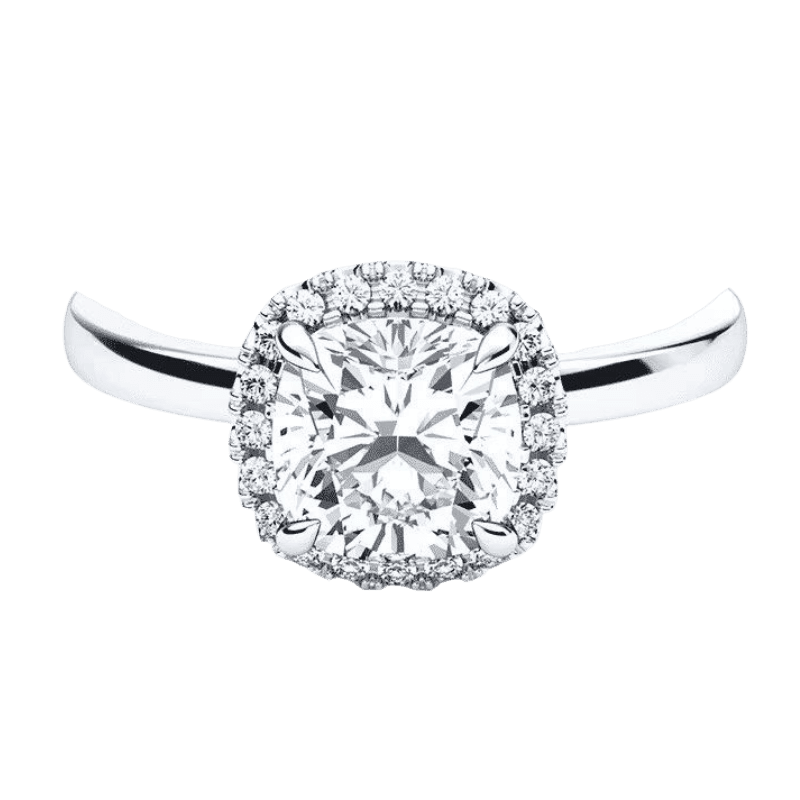
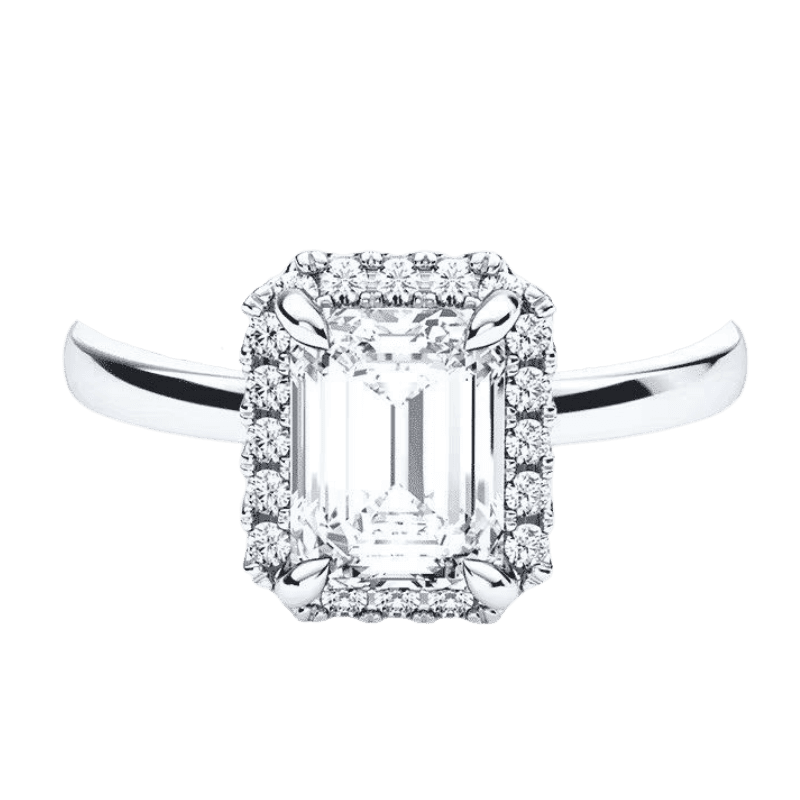
Although all gold colors can be paired with diamonds, white gold, especially rhodium-plated, most often highlights the stone’s brilliance and clarity. Yellow and rose gold also go perfectly with diamonds, but they are usually chosen to create a warmer, more subtle effect, as they contain different metals, which is precisely what determines their color and properties.
Which Gold Color Suits You Best?
The choice between various gold colors – white, red, or yellow – depends on personal style, skin tone, clothing worn, and other jewelry. For a modern, minimalist look, white gold jewelry will work, for a classic look – yellow, and for those looking for uniqueness – rose gold jewelry. When choosing from these colors, it is worth considering the overall combination with other jewelry.
Does the Color of Gold Change Over Time?
Rhodium-plated white gold can lose its surface shine over time, but this is solved by re-polishing or re-applying rhodium. Previously, it was believed that regular polishing helps maintain the shine of gold for longer. Meanwhile, red and yellow gold, whose color is part of the alloy, do not change shade even after many years.
To find potential color changes or check authenticity, it is worth inspecting the jewelry for a hallmark or other official markings.
What to Know About Temperature and Resistance?
Each metal used in a gold alloy has a different melting point (temperature) and physical properties. For example, platinum, palladium, and rhodium are significantly more resistant than silver or copper, so jewelry containing these metals usually lasts longer and withstands daily wear better. In addition, the quantity (amount) of each metal in the alloy determines the final product’s color, durability, and value.
What do fashiongold.lt Customers Choose?
Our website customers mostly choose various types of gold products, especially when we talk about diamond rings. However, lately, there have been more inquiries about red and rose gold products, particularly in women’s collections, where the softness and subtlety of these products are valued.
Summary: How to Choose the Most Suitable Gold Color?
When choosing a gold color, it is important to know that it is not only an aesthetic but also a practical detail. Various gold and other metal alloys determine different shade and color choices, so it is worth considering:
- Hallmark and carat weight
- Metal strength
- Skin tone
- Diamond color and clarity
- Personal style
Fashiongold.lt offers a wide selection of gold items and jewelry, where everyone will find what best meets their expectations. From white elegance to red warmth – our goal is to help you discover your ideal gold color and desired shade options.